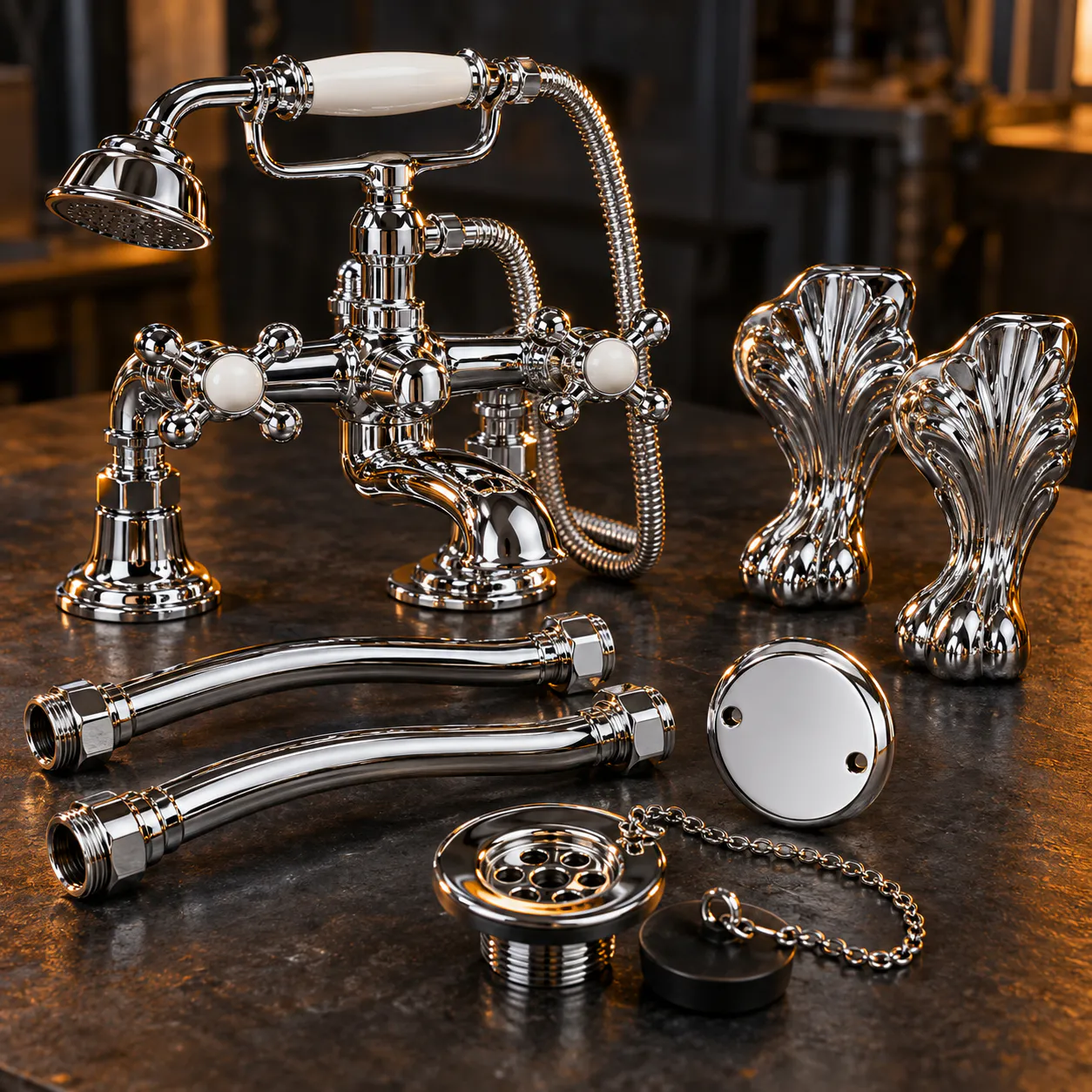
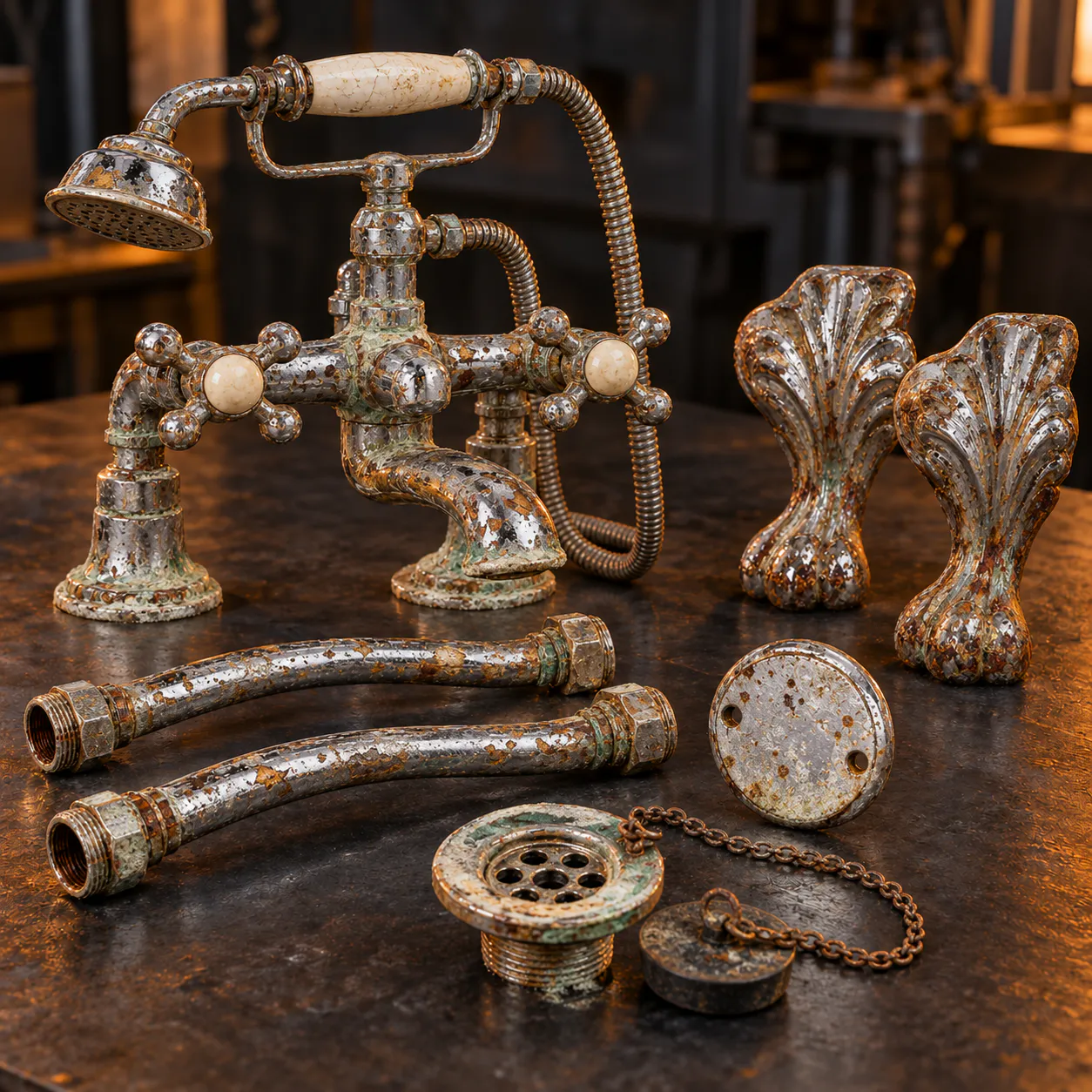
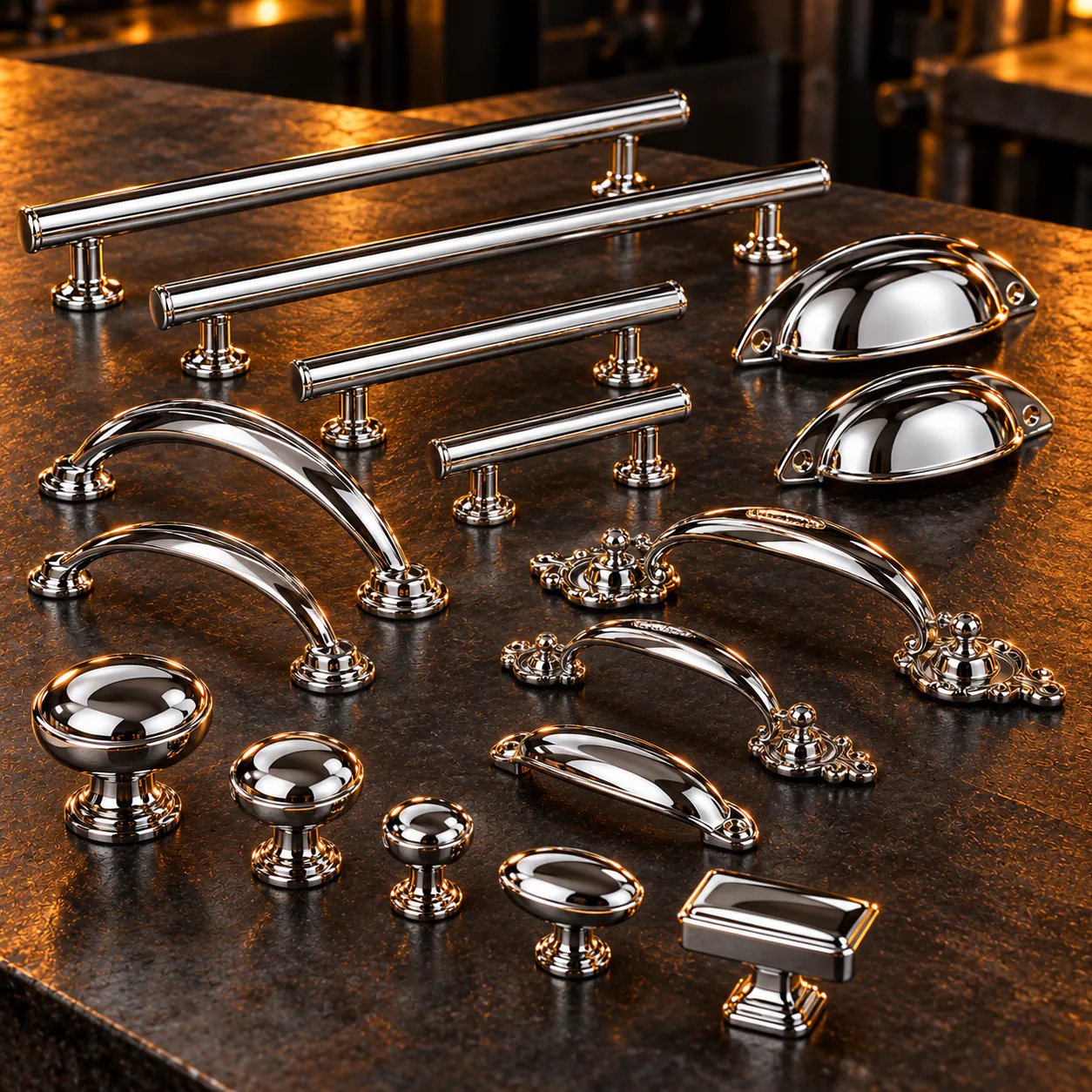
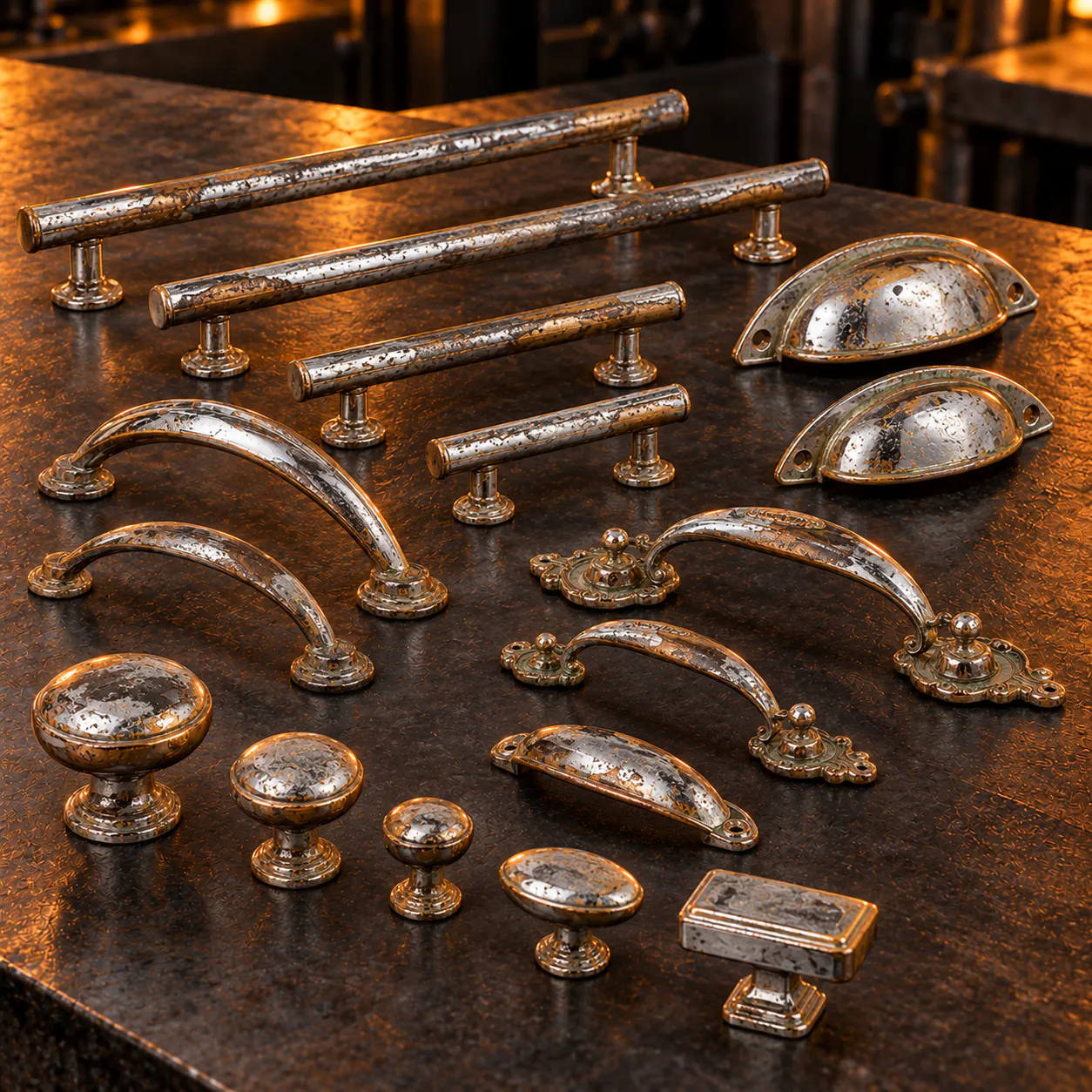
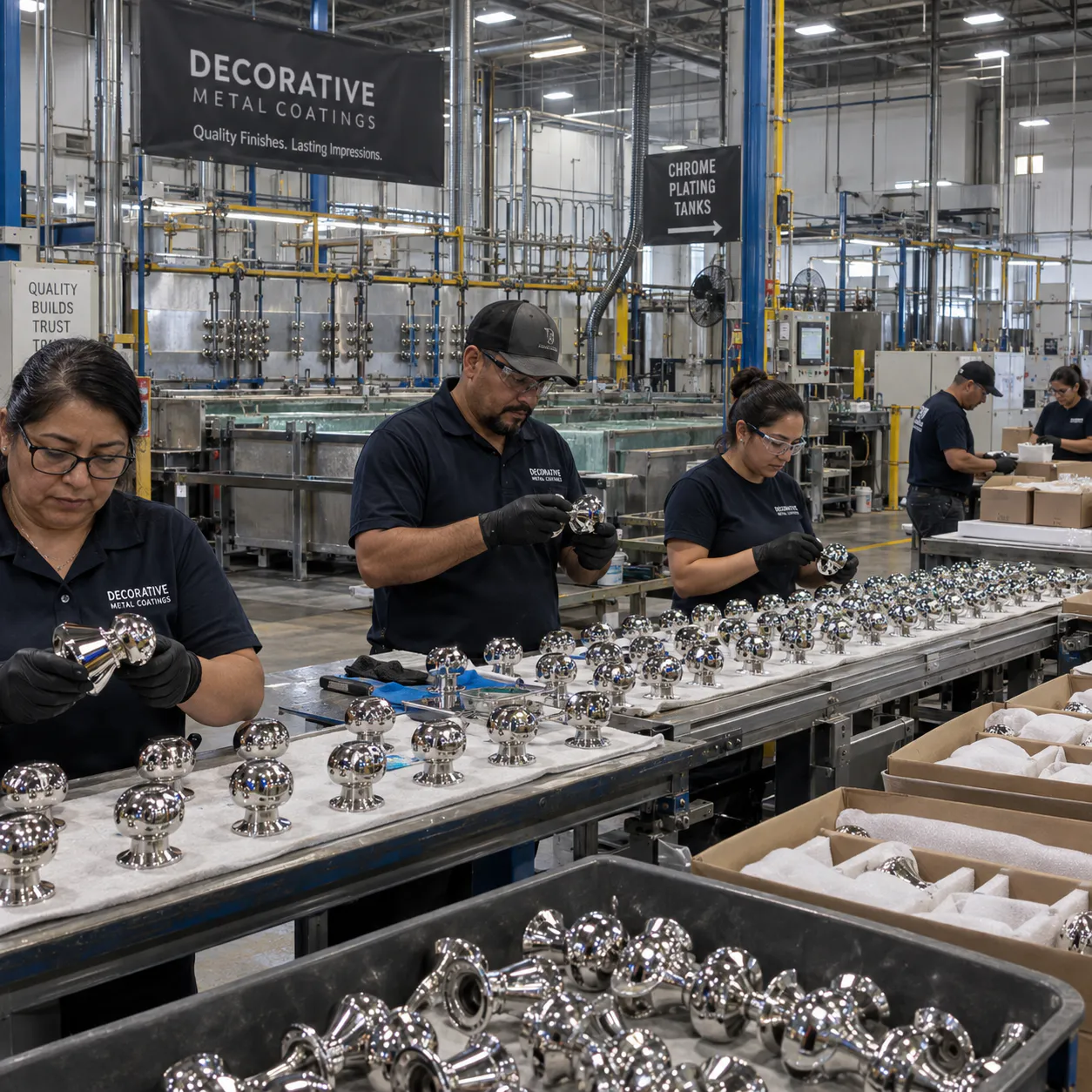
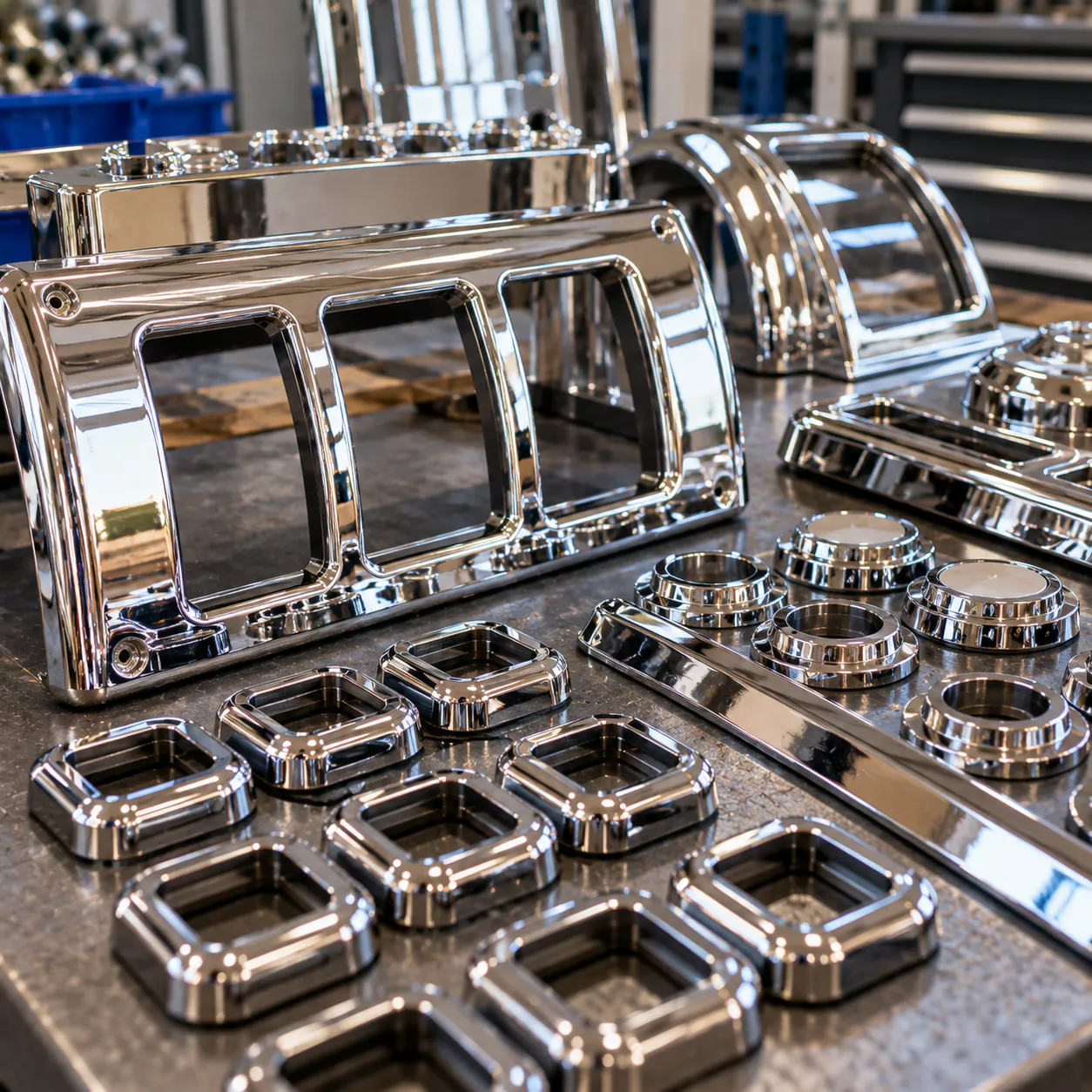
What people call chrome is really three plated layers working together. Copper goes down
first and fills the microscopic valleys left by polishing, which is what gives a finished
part its depth. Nickel follows and does the real work: it carries the brightness and it is
the layer that protects the base metal from corrosion. Chrome goes on last, and it is
measured in millionths of an inch. It adds hardness, the blue white tone everyone
recognizes, and it keeps the nickel from clouding over.
That is why plating quality is decided long before a part reaches the chrome tank. A bright
finish over a poorly prepared surface will show every scratch, every ripple and every pit,
because chrome magnifies whatever sits underneath it. Roughly seventy percent of the labor
on a restoration piece is stripping, metal repair, and hand polishing. The tanks are the
fast part.
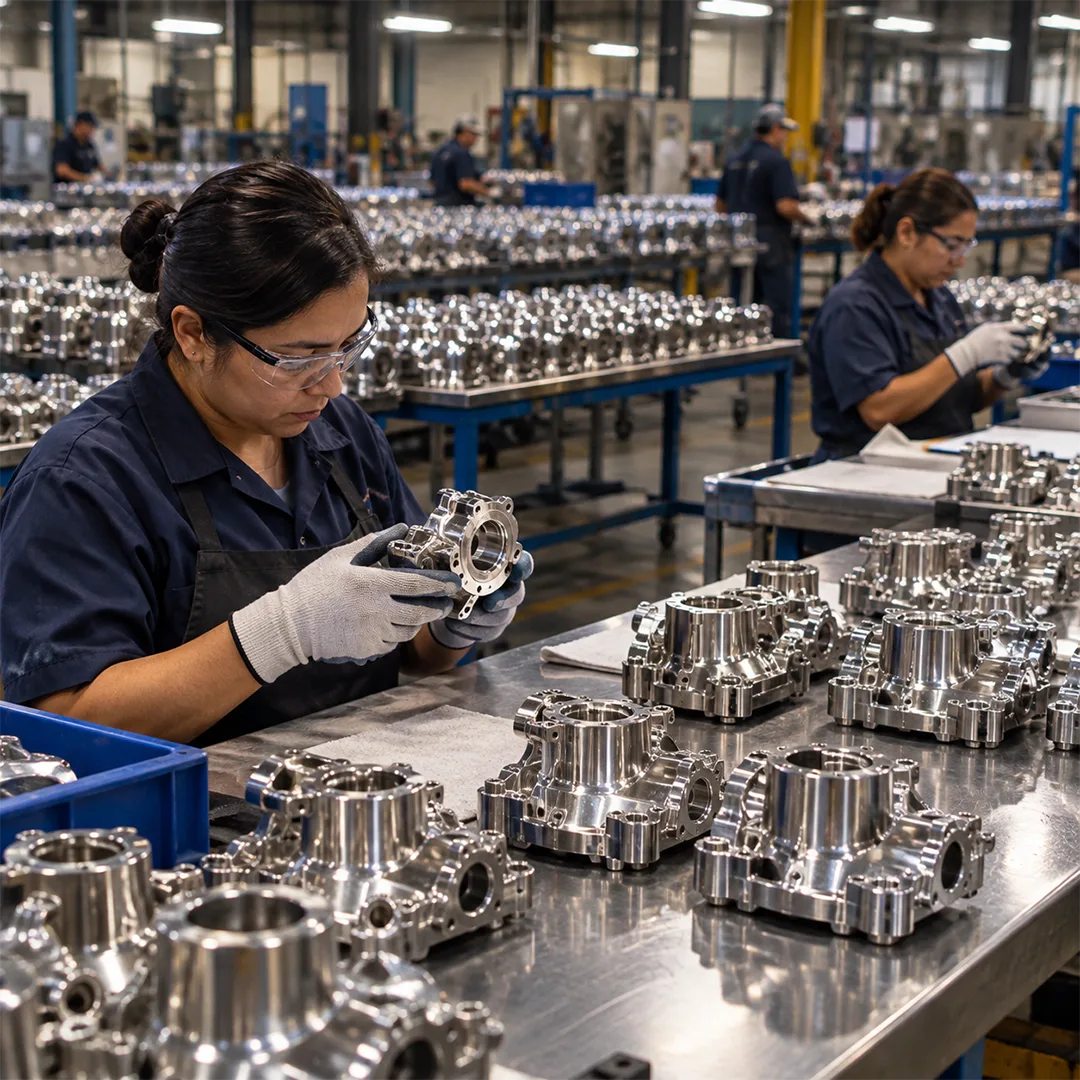
We have been doing this since 1989, and in that time the work has split into two very
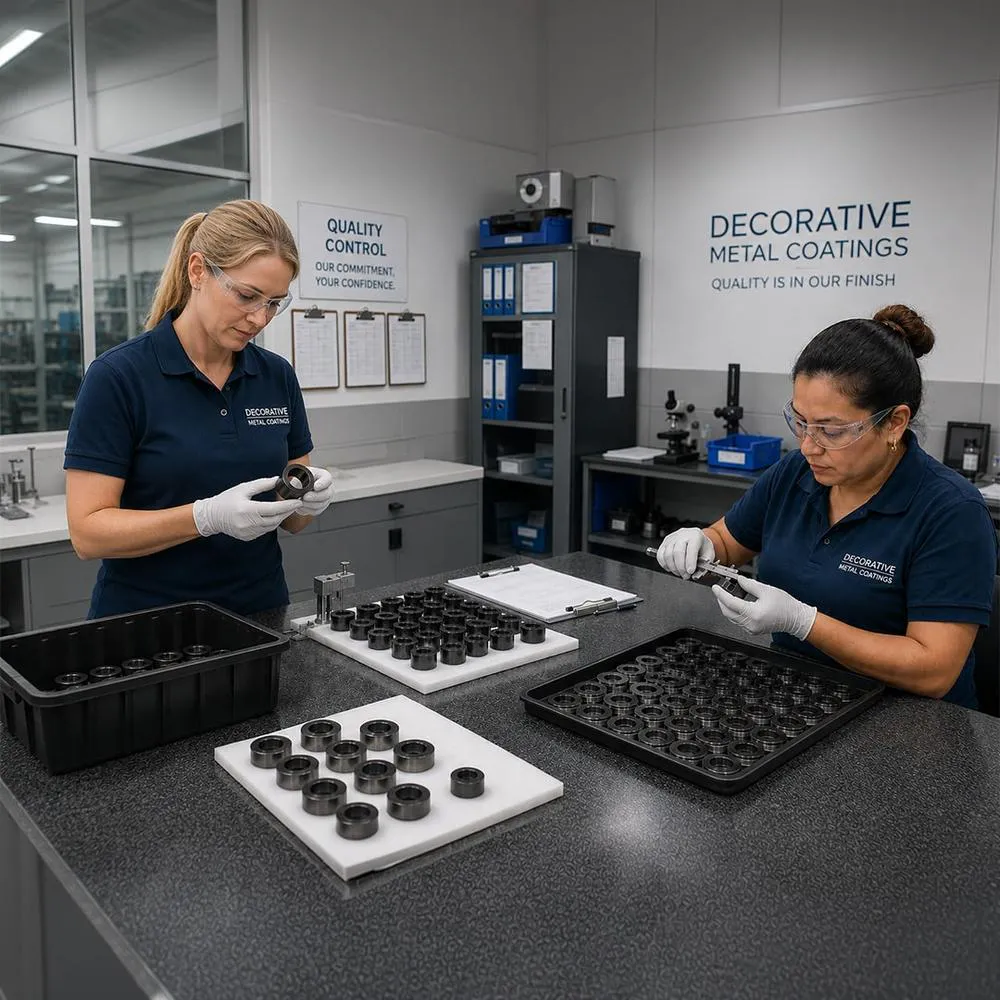
different jobs. New production parts need consistency, adhesion testing and repeatable
thickness. Restoration parts need a human being with a buffing wheel who knows when a
casting is worth saving and when it is not. We do both, in the same building, with the same
inspection standard.
Send photos of what you have. We will tell you what the substrate is, what it will take to
bring it back, what it will cost and how long it will sit in the shop. If a part is not
worth the money we will say so, because a straight answer costs us less than an unhappy
customer.