


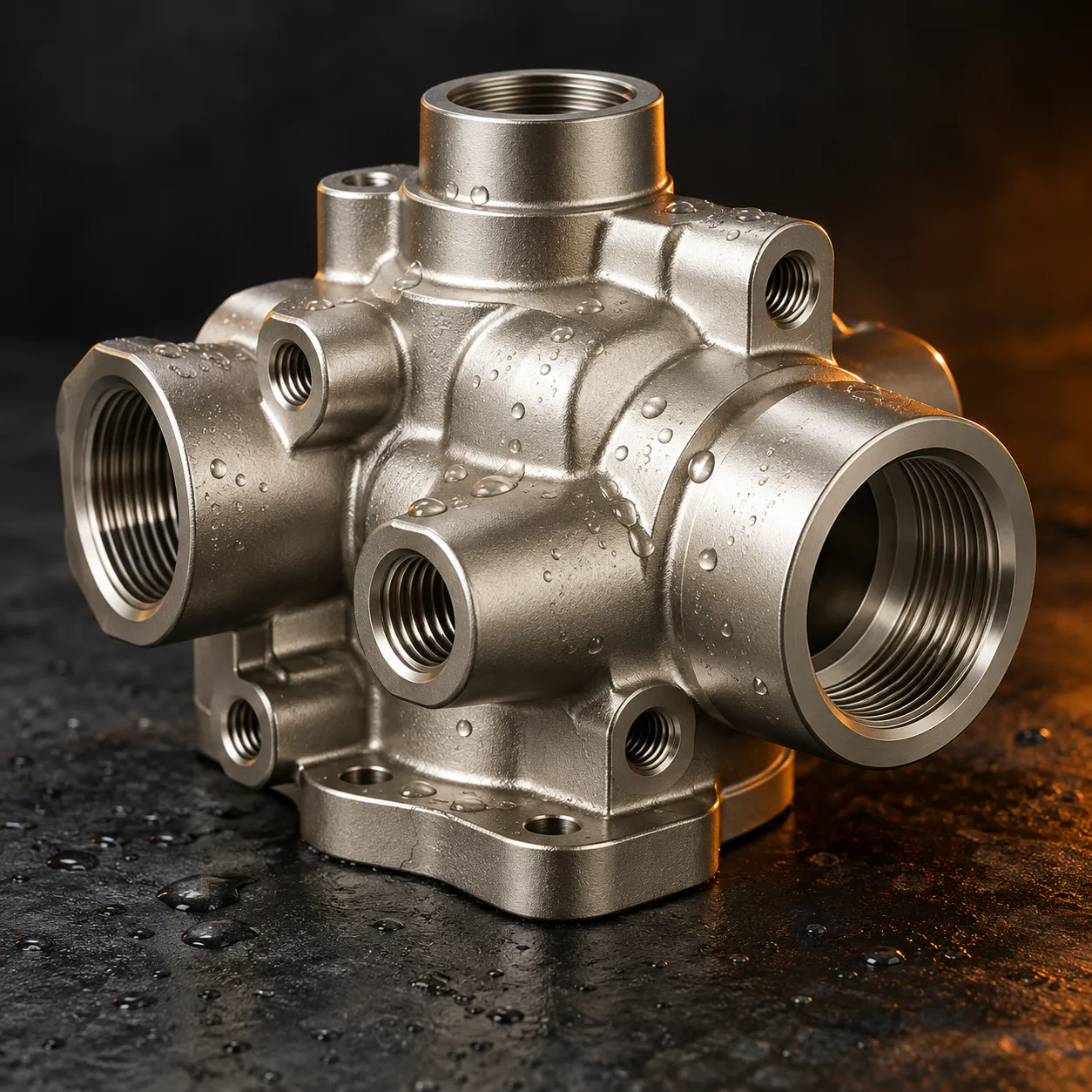
High Phosphorus
Roughly 10 to 13 percent phosphorus. The most corrosion resistant option and essentially nonmagnetic, chosen for parts exposed to moisture, salt and chemicals.
A successful coating starts with the right chemistry and the right preparation. Decorative Metal Coatings evaluates the base metal, part function and finished dimensions before recommending an electroless nickel option for corrosion resistance, wear or dimensional requirements. For Beaumont projects involving pump parts, valve bodies and industrial fittings, the first review focuses on the geometry and the required service performance.



Consider additional treatments for specific functional goals.
The nickel-phosphorus alloy is deposited without an external electric current. This makes the process useful for components with intricate shapes, where even coverage is important to corrosion protection, wear performance and assembly dimensions. This is relevant when reviewing pump parts, valve bodies and industrial fittings for a project associated with Beaumont, CA.
An effective specification identifies the performance goal first. Corrosion exposure often points toward high phosphorus, while wear-focused applications may call for low phosphorus or a suitable heat-treated deposit. Medium phosphorus is a common general-purpose choice. For Beaumont applications involving energy-related equipment, fluid handling and manufacturing, the choice should be tied to actual exposure and wear conditions rather than a generic finish preference.
Adhesion depends on removing oil, scale, rust, old plating and machining residue, then preparing the substrate correctly. The shop reviews material, dimensions and masking needs before plating, and checks coverage and thickness before parts are released. A request from Beaumont, CA should therefore include the material grade and the critical dimensions before a process is selected.
Send us the drawing or a few photos, the material, and what the part does in service. If your print calls out a coating specification or a finished dimension, include it. We will recommend a phosphorus range and a thickness, tell you whether masking or heat treatment makes sense, and send back a written quote.
Electroless nickel options include low, medium and high phosphorus deposits, PTFE composite, bright or satin appearance, controlled thickness, masking and post-plate heat treatment when appropriate.
Roughly 10 to 13 percent phosphorus. The most corrosion resistant option and essentially nonmagnetic, chosen for parts exposed to moisture, salt and chemicals.
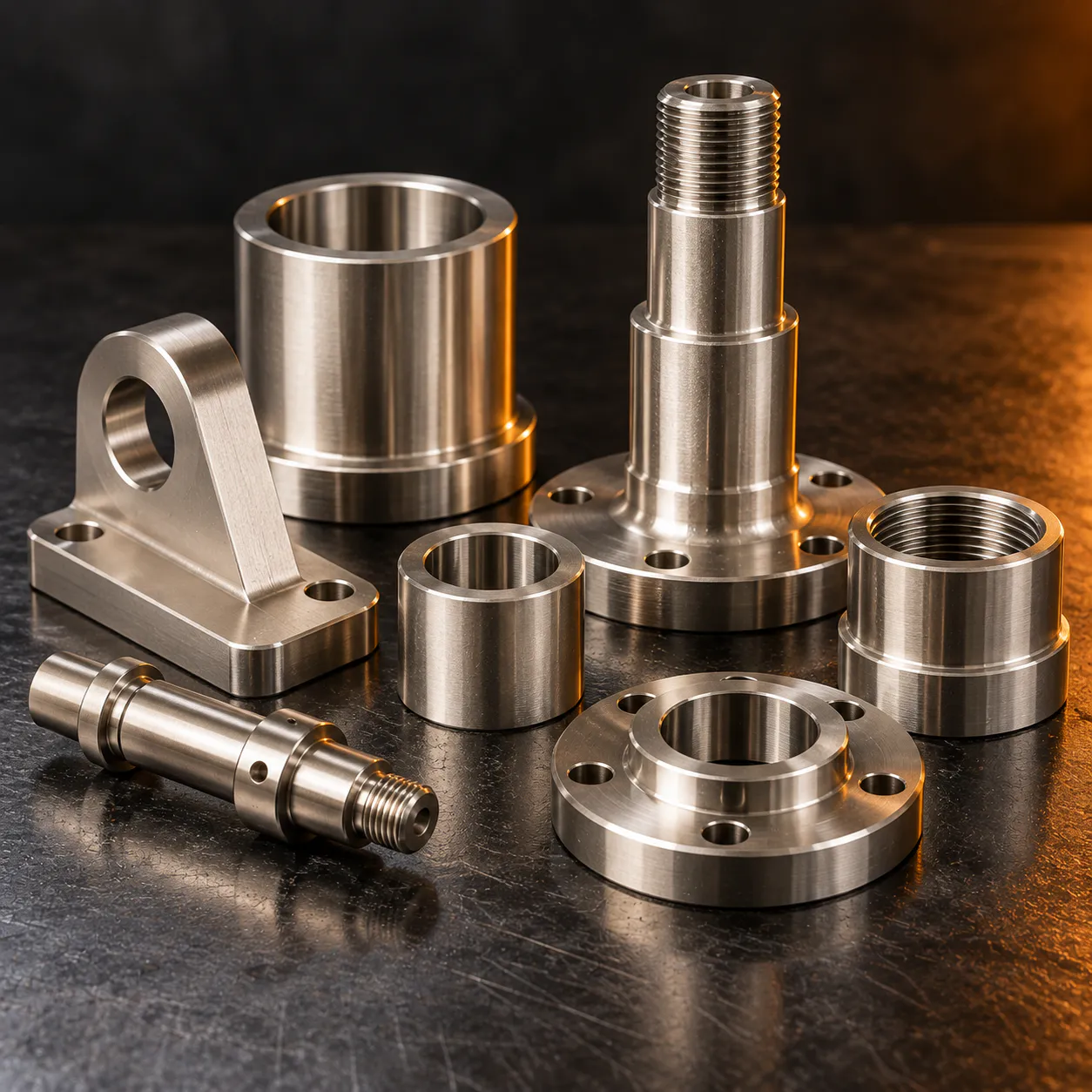
Roughly 5 to 9 percent phosphorus. The general purpose workhorse, with a bright appearance and a balance of hardness, wear and corrosion protection that suits most industrial parts.
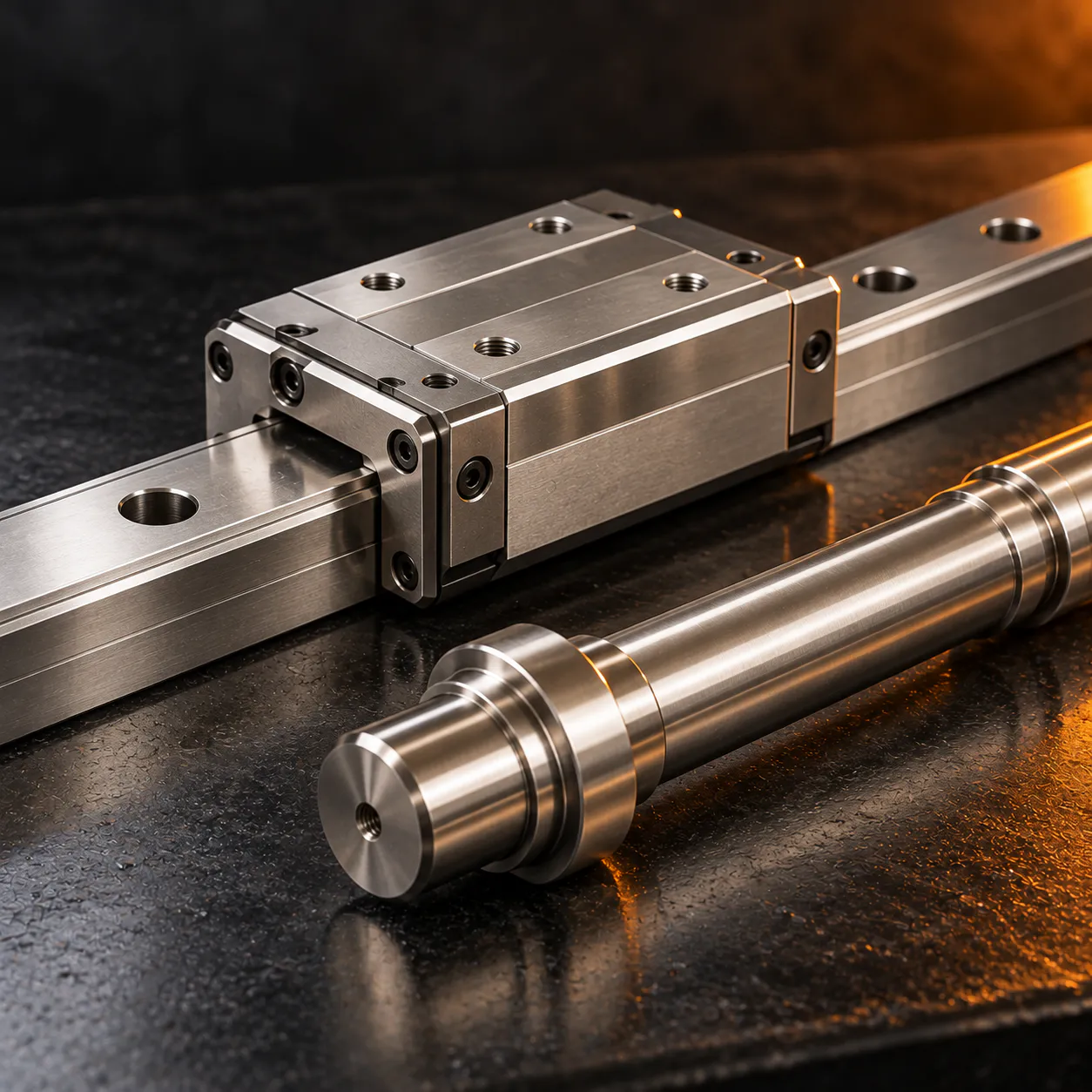
Roughly 1 to 5 percent phosphorus. The hardest deposit as plated, selected for sliding surfaces, tooling and components where wear resistance matters more than chemical exposure.
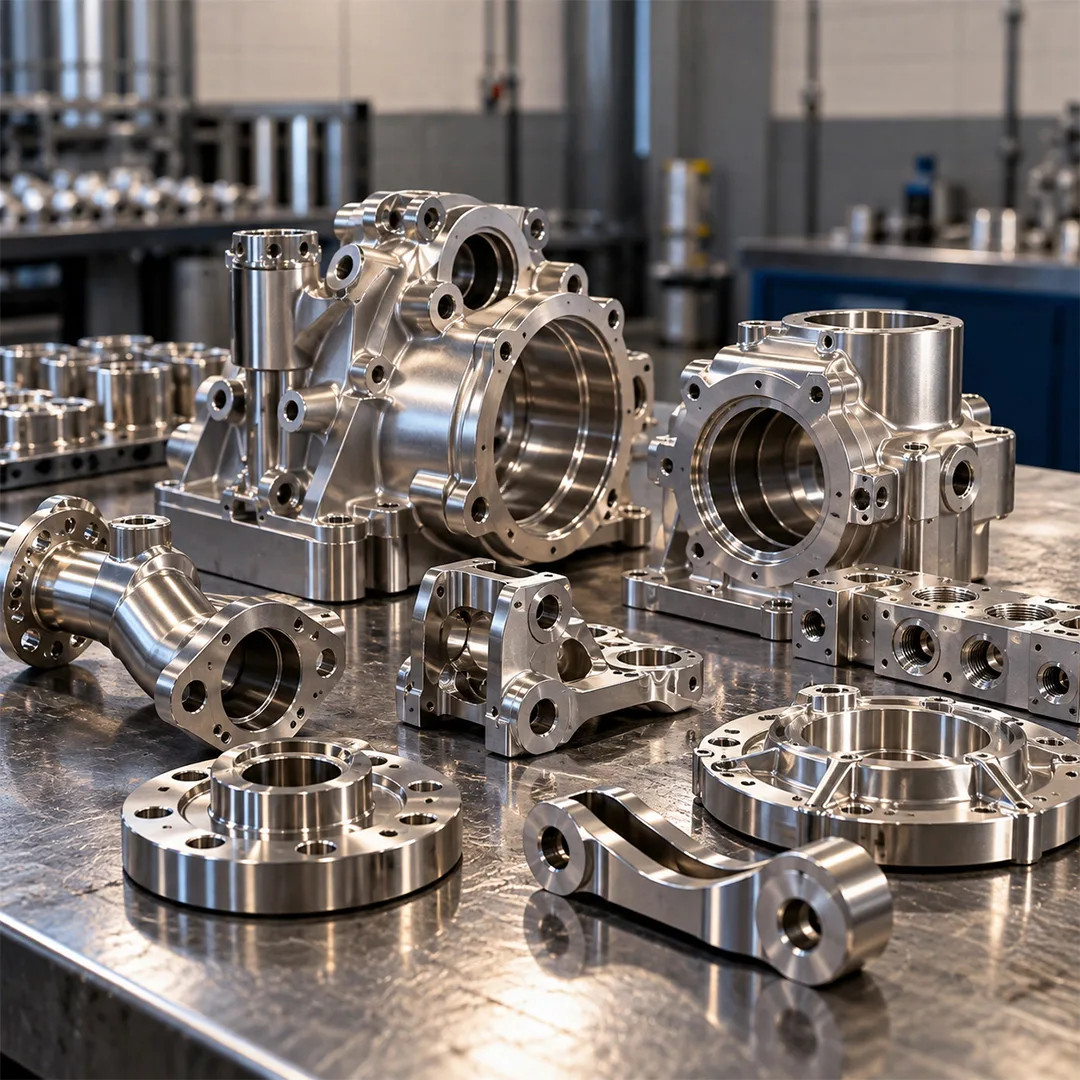
A bake after plating can raise hardness to a level that competes with hard chrome, or relieve hydrogen in high strength steel. The cycle is matched to the chemistry and the base metal.
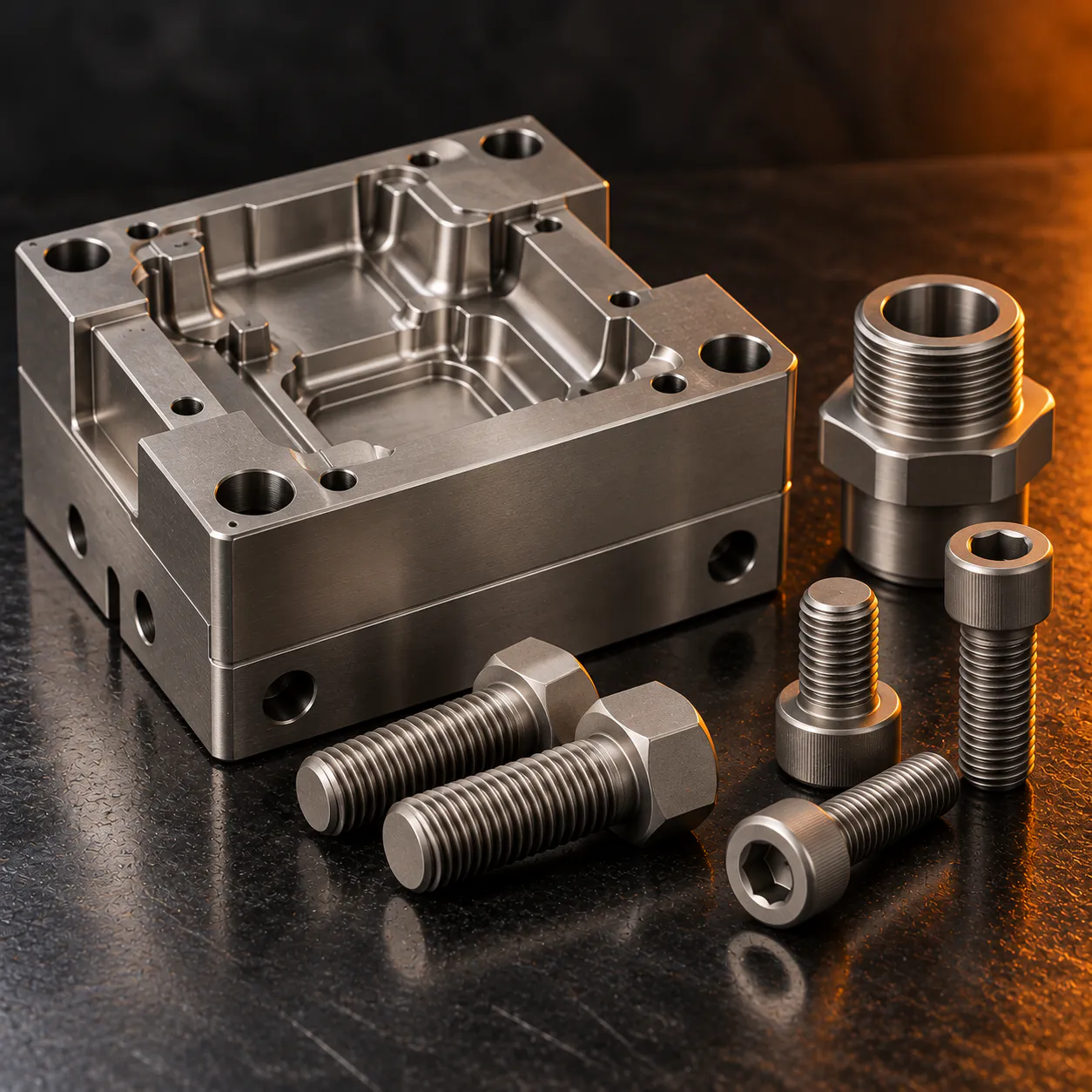
Fine PTFE particles locked into the nickel matrix create a dry lubricating surface. Used on molds, fasteners, sliding mechanisms and anything that needs low friction or easy release.
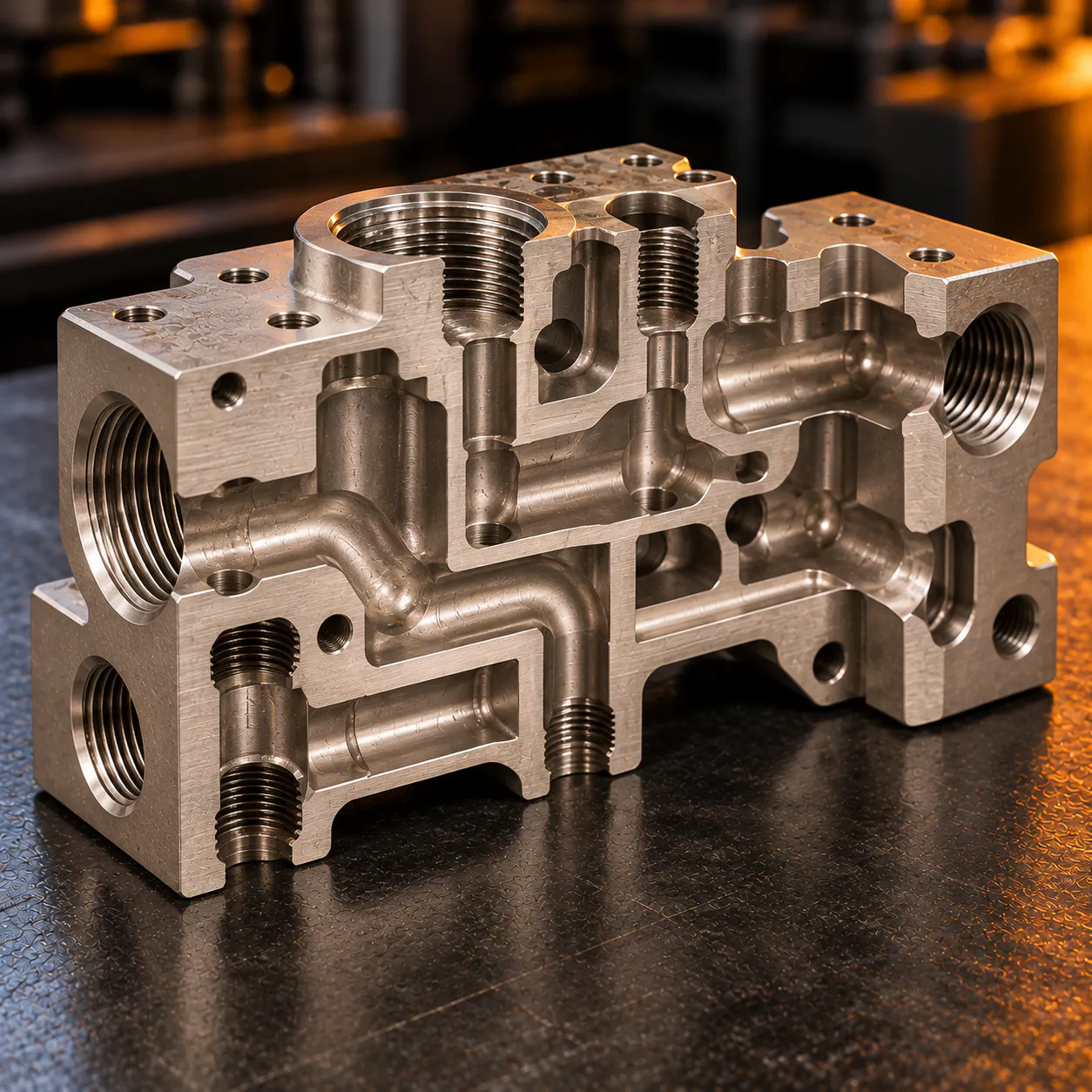
Internal passages, blind holes, fine threads and deep pockets get the same coating as the outside of the part. Often the only practical choice when conventional plating cannot reach.
We run all three of these processes in house, so we have no reason to push one over another. Here is how they differ and when each one is the right call.
The plating bath is the same for every part. The preparation is not. Each substrate has its own cleaning and activation sequence, and getting it right is what keeps the coating attached.
The most common substrate we coat. After degreasing and acid activation, steel accepts every phosphorus range. High strength steels can receive a hydrogen relief bake after plating.
Its passive oxide film blocks adhesion, so it gets a nickel strike before the electroless bath. Often coated to stop galling on threads or to add surface hardness.
Aluminum oxidizes within seconds, so it receives a zincate treatment that protects the surface until the nickel takes over. The alloy matters, so tell us the grade if you know it.
Copper does not start the reaction on its own, so it is activated before plating. Electroless nickel then acts as a durable barrier against tarnish and diffusion.
Valve bodies, fittings and marine components plate cleanly once activated. The nickel layer protects against dezincification and adds a harder working surface.
Nickel alloys, tool steels and cast parts can be coated case by case. Send the exact alloy designation so we can confirm the activation sequence before you ship.
Everything we offer around electroless nickel, from the chemistry itself to masking, stripping and post plate treatment.
Each order is reviewed around the base metal, alloy, coating callout, target thickness and quantity. Preparation and activation are selected for the substrate before the controlled electroless bath.
Send photos or a drawing, the material, the quantity and any coating callout on your print.
We suggest a phosphorus range and thickness and send a written quote within 24 business hours.
After the quote is approved, parts may be shipped from Beaumont or elsewhere in the United States to the Oceanside, California shop. Wrap components separately, protect threads and machined faces, and include the quote number and packing list.
Parts are degreased, masked where needed, activated for their alloy and plated in a controlled bath.
Coverage and thickness are checked, any heat treatment is completed, and parts ship back insured.
From custom builders to industrial manufacturers, our clients trust us to deliver the same result every time.
For projects involving energy-related equipment, fluid handling and manufacturing, the coating choice should reflect the material, operating environment, contact surfaces and required dimensions. These are application examples, not claims of local customers or completed work.
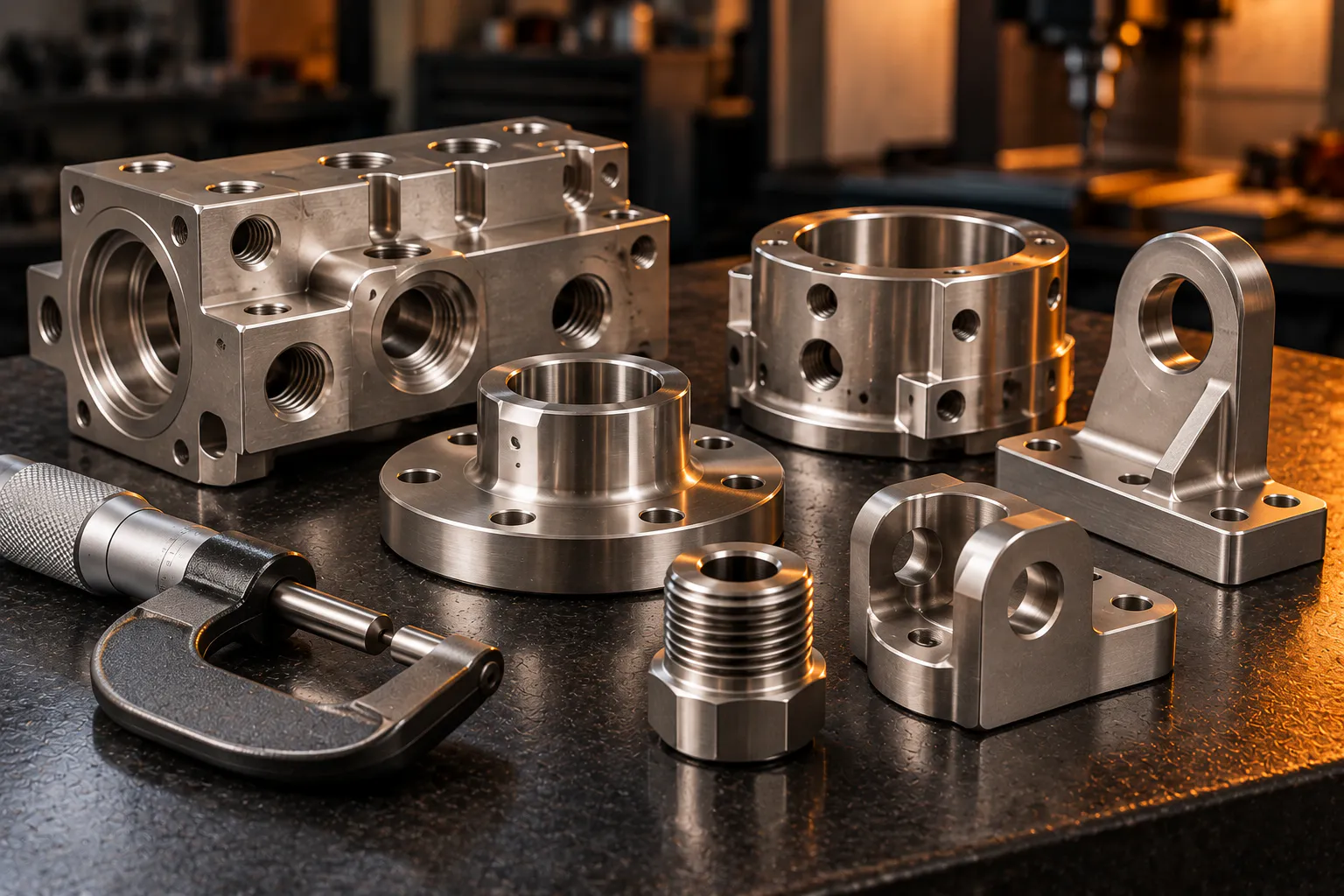
CNC parts with tight tolerances, where the coating has to go on evenly so the part still fits after plating.
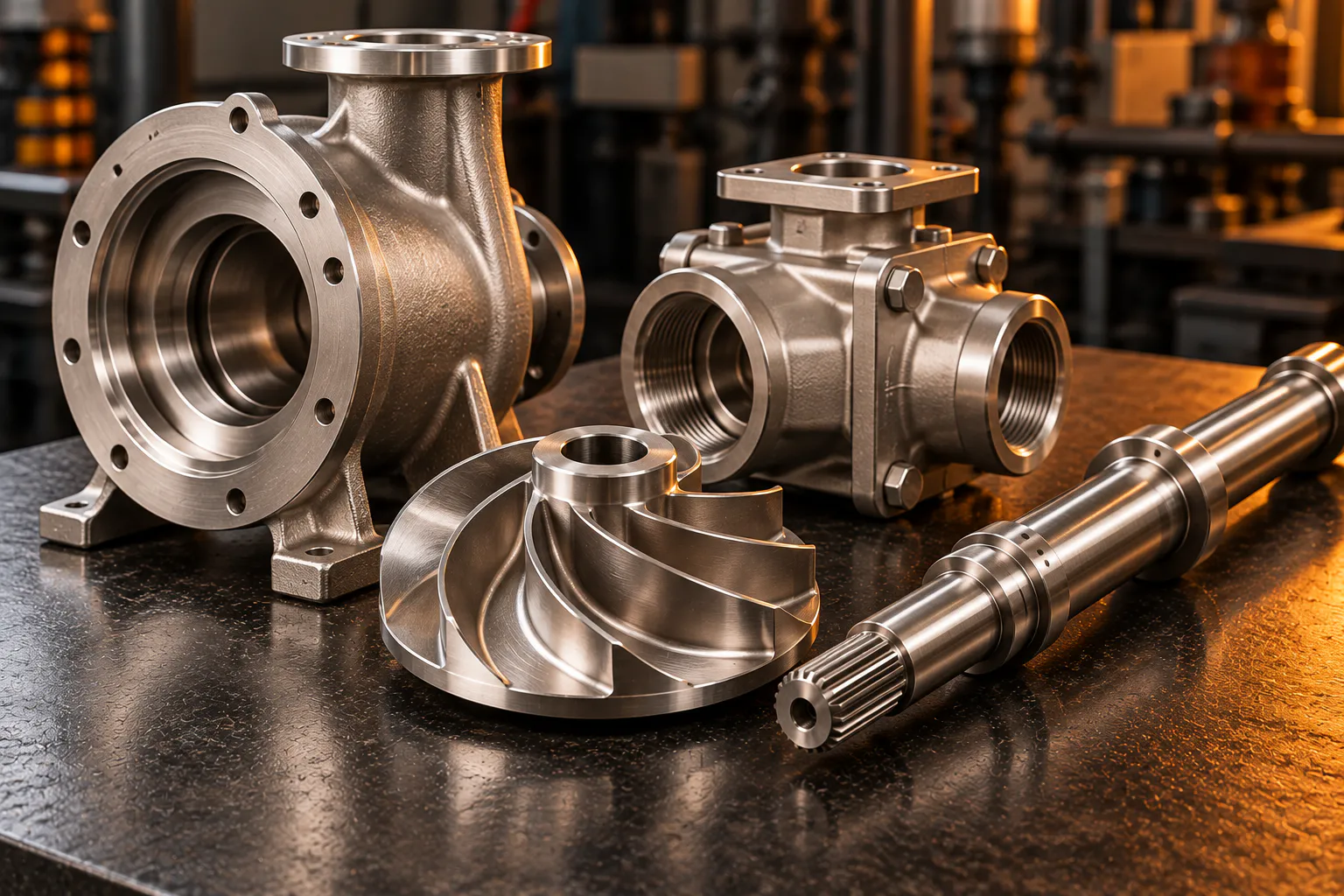
Valves, pump housings, shafts and fixtures that need corrosion protection inside passages as well as outside.
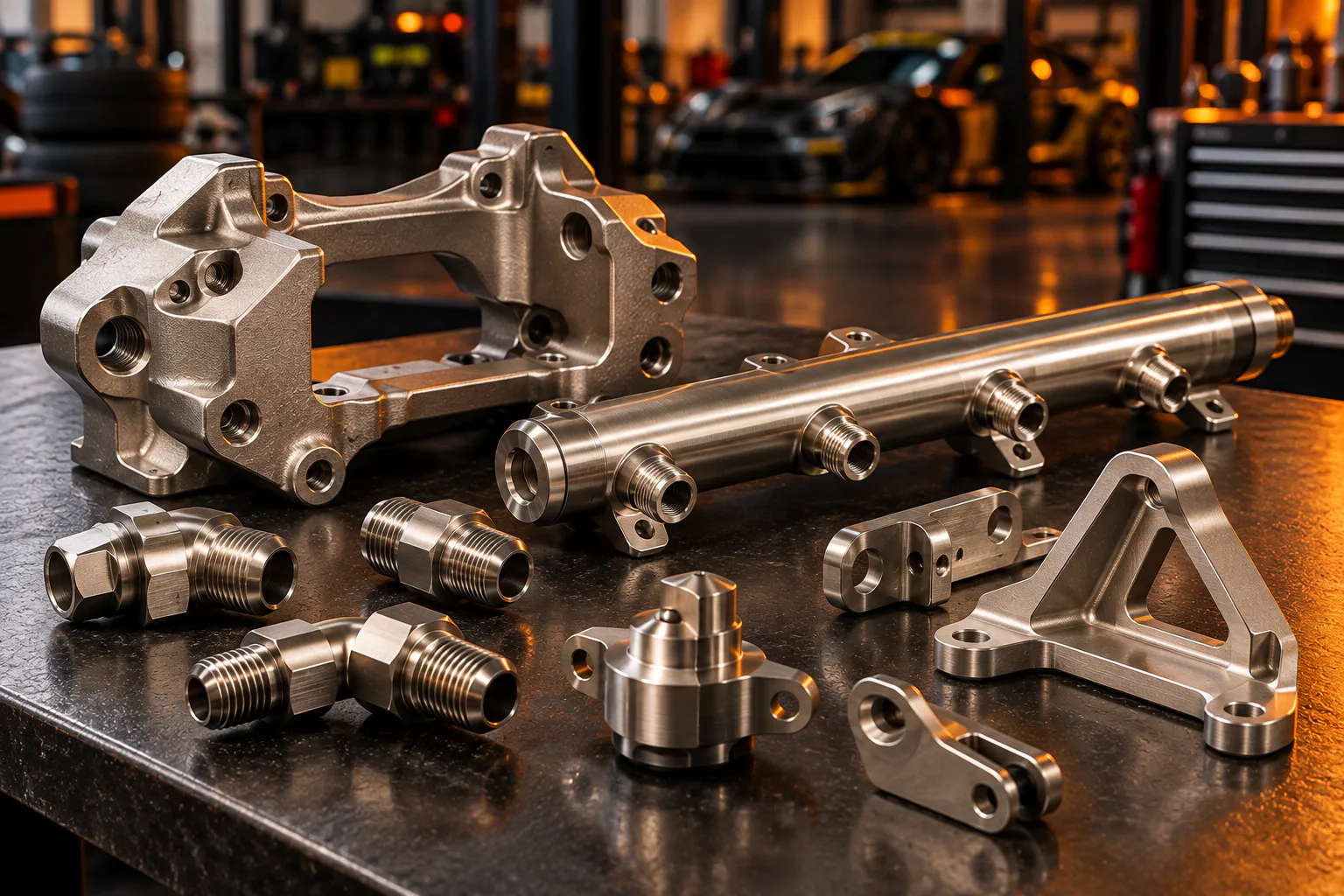
Brackets, fuel system fittings, brake parts and engine components protected from heat, fluids and road salt.
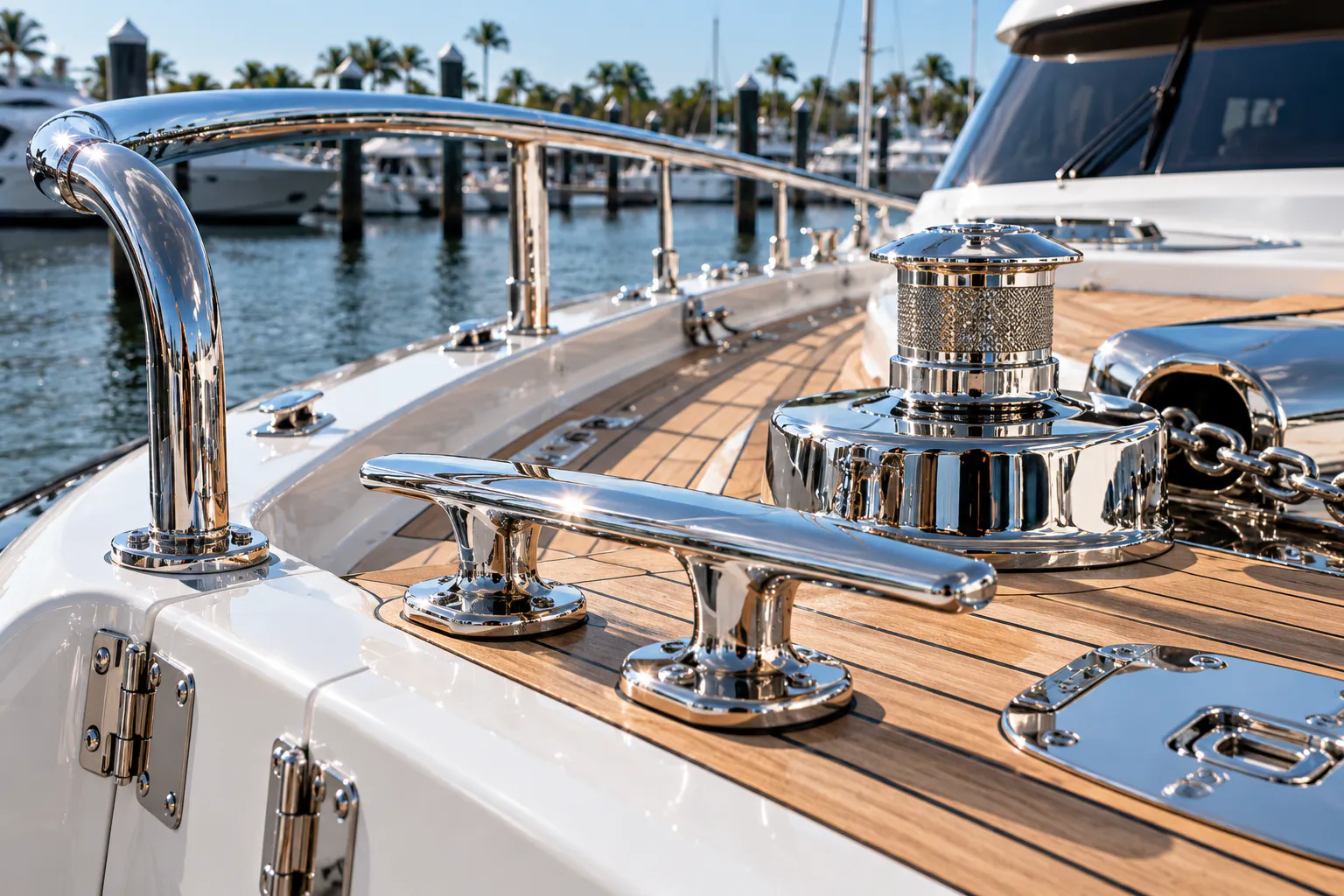
Fittings, pump parts and deck components where high phosphorus nickel stands up to constant salt exposure.
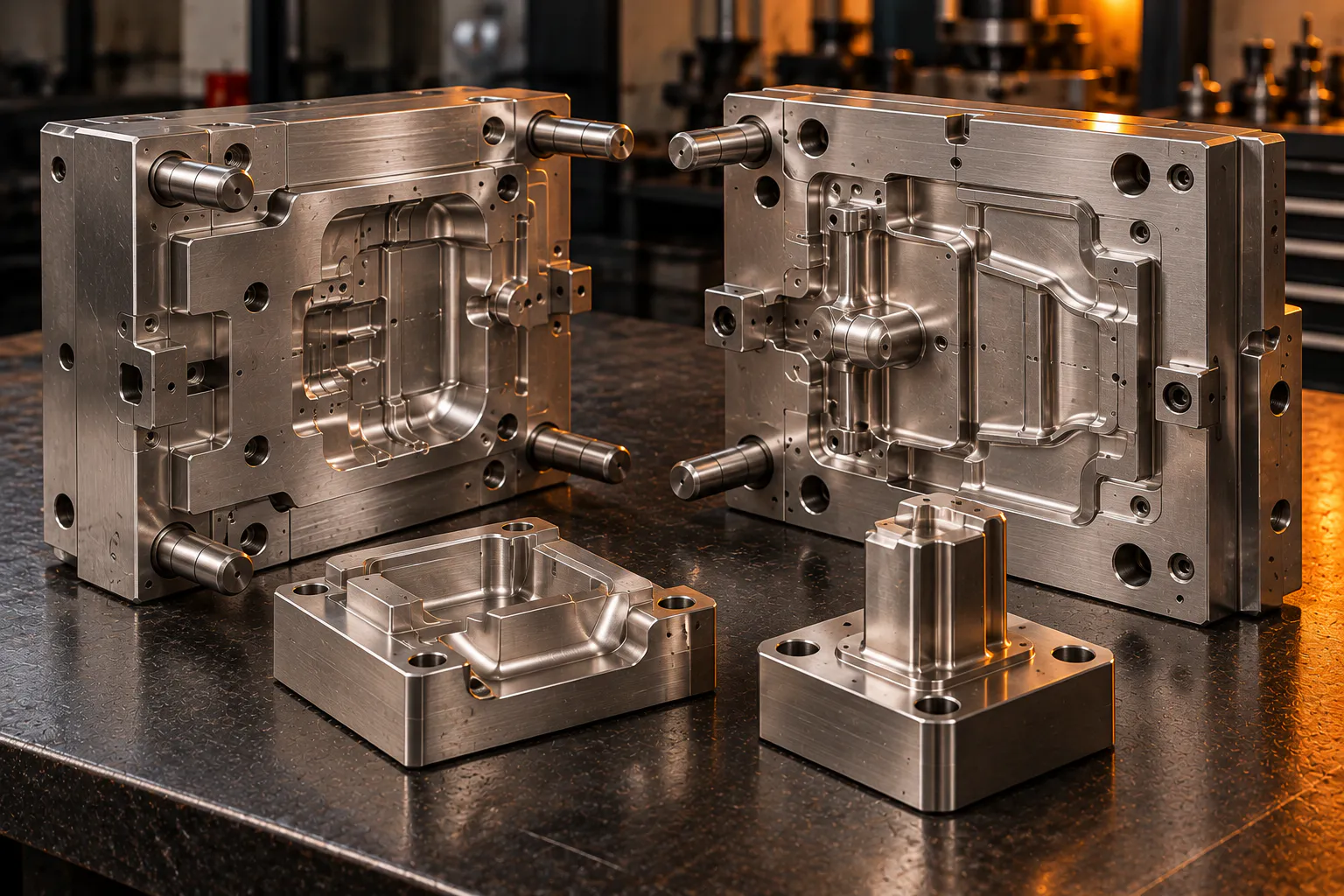
Plastic injection molds, dies and fixtures that need a hard surface, clean release and protection from corrosion.
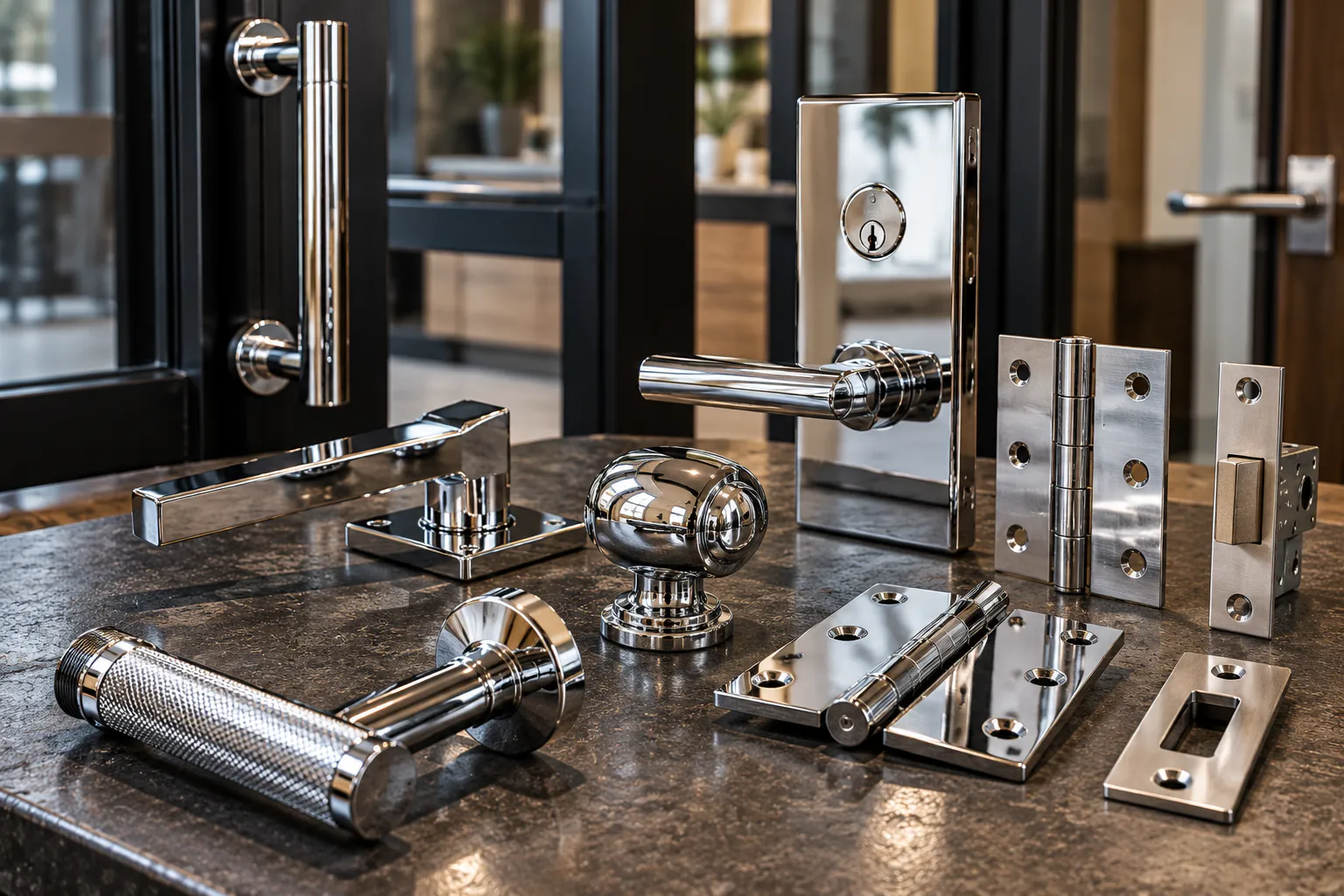
Threaded parts, hinges and fittings coated all the way into the threads for smooth assembly and lasting protection.
Drag the handle on any photo to compare the part as it arrived with the finished electroless nickel surface.
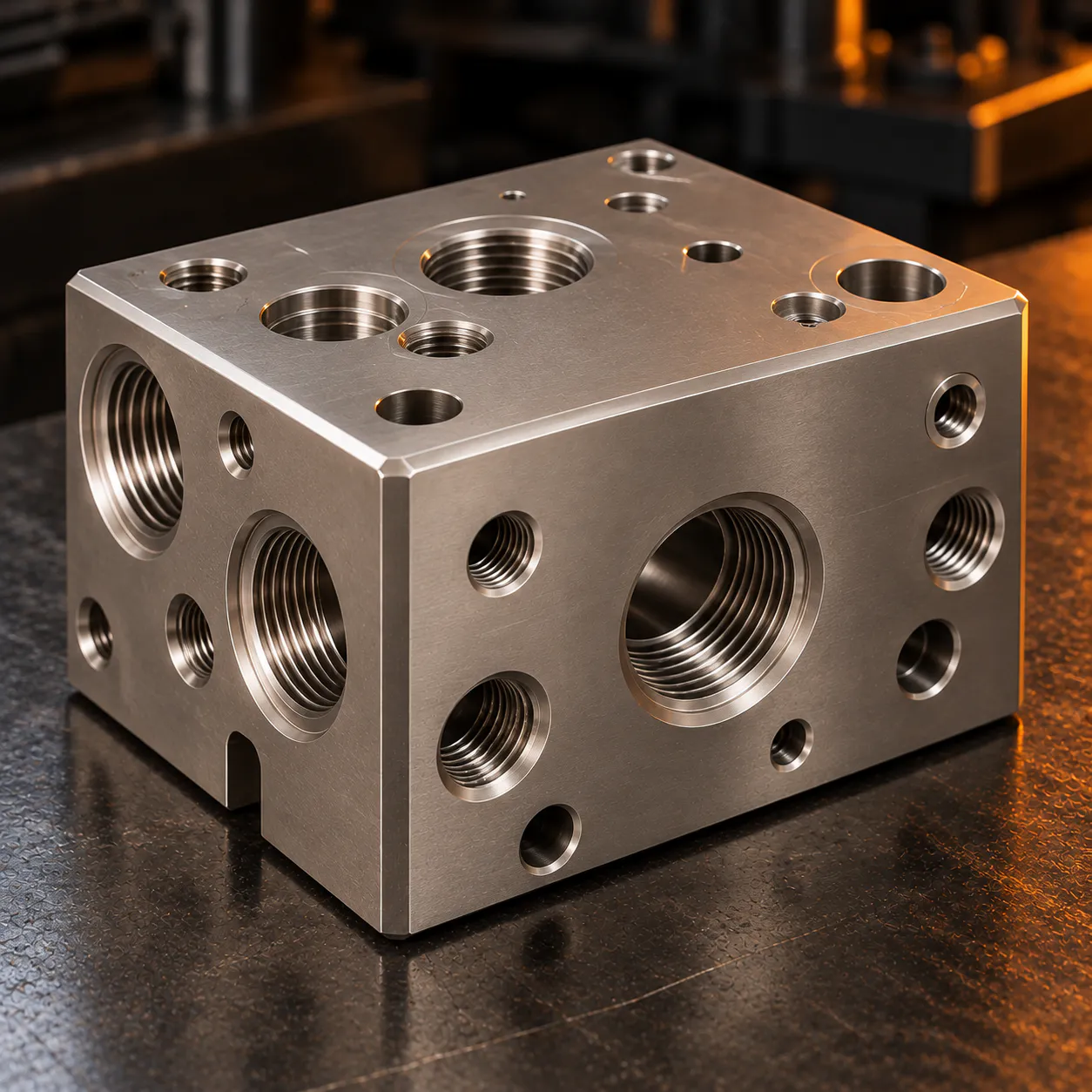
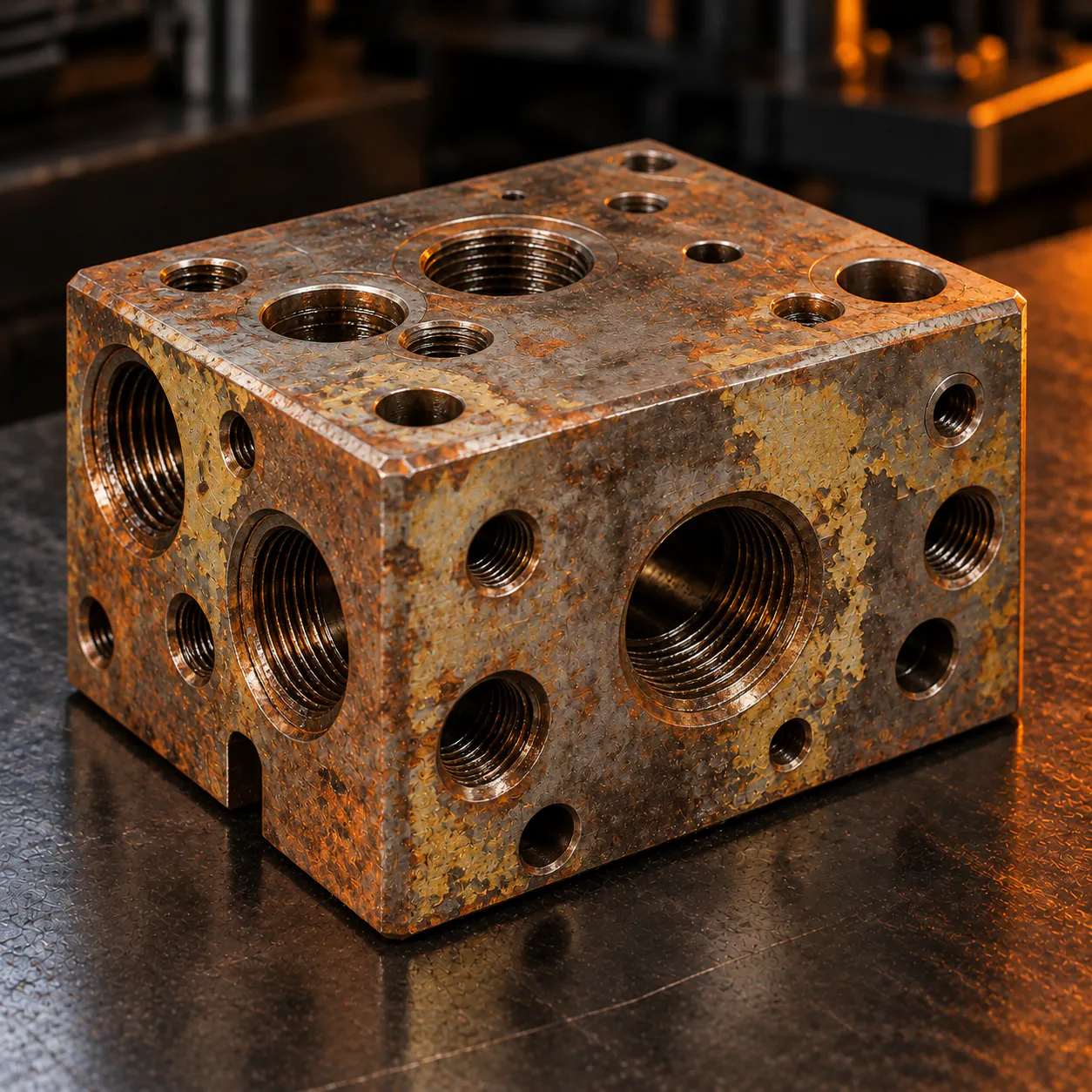 Before
Arrived with surface rust and a failed zinc finish. Stripped, cleaned and activated, then coated with medium phosphorus nickel for an even, corrosion resistant surface that kept the part within its fit.
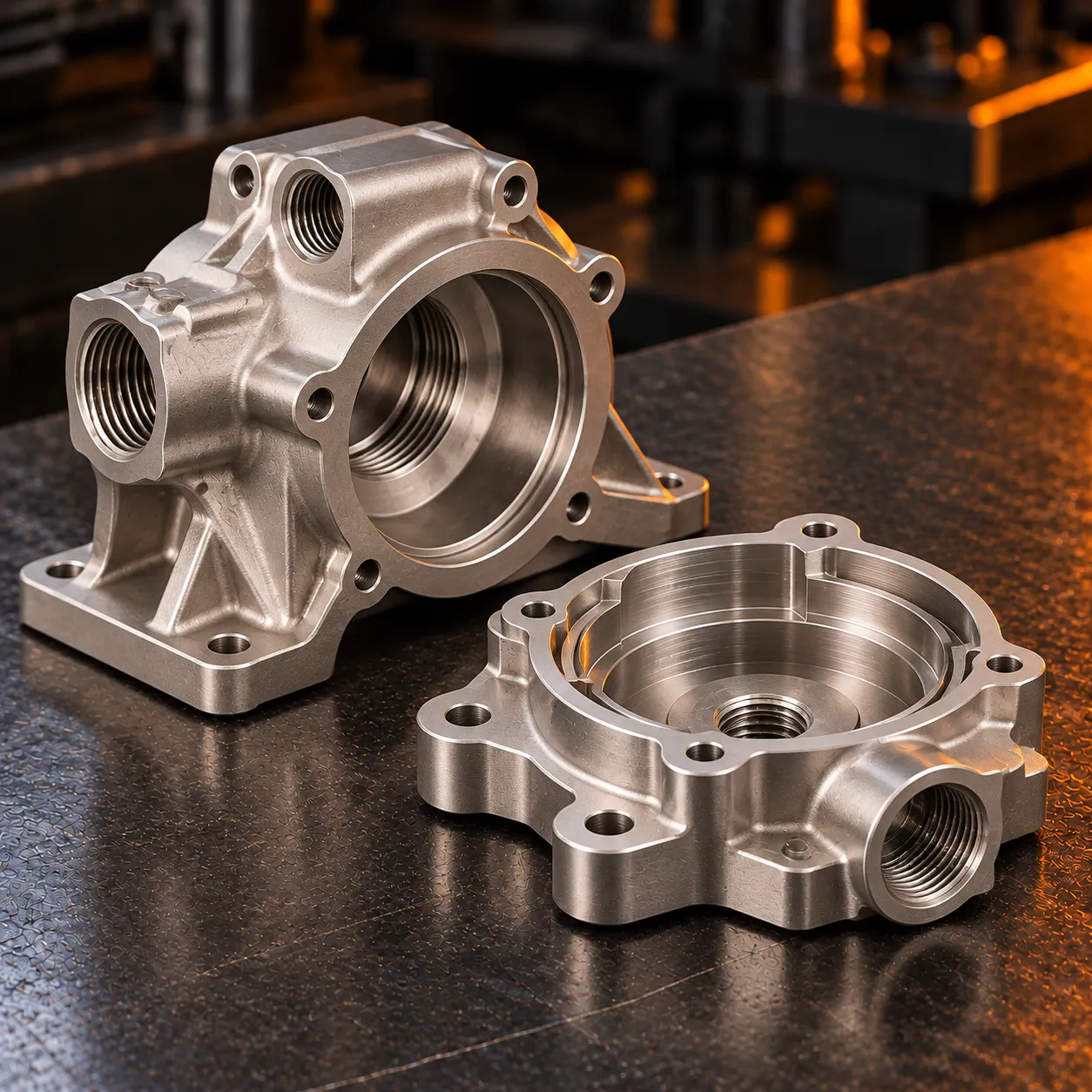
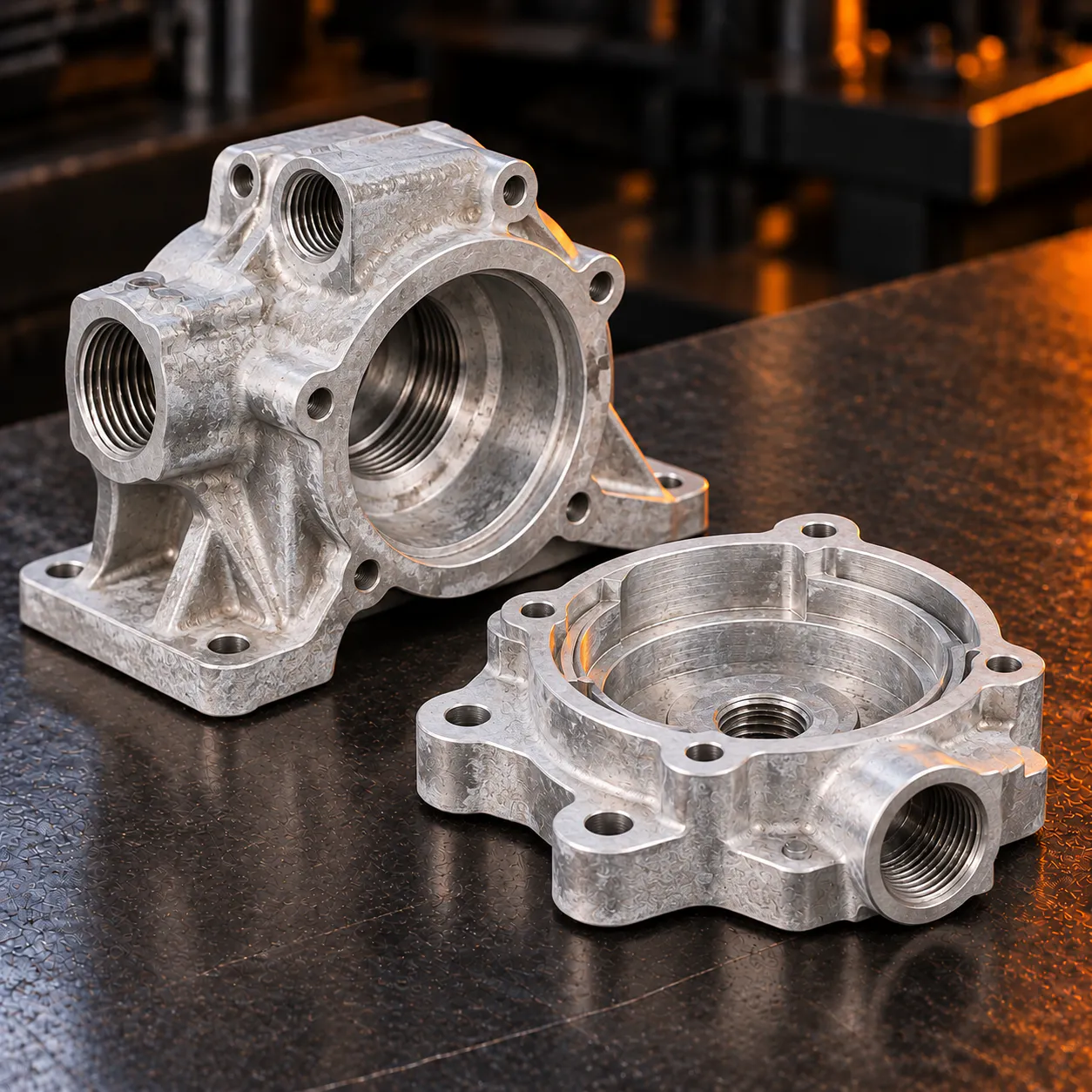 Before
Dull, oxidized housings with threaded ports. Each piece went through a zincate pretreatment and received high phosphorus nickel that reached every port and internal face.
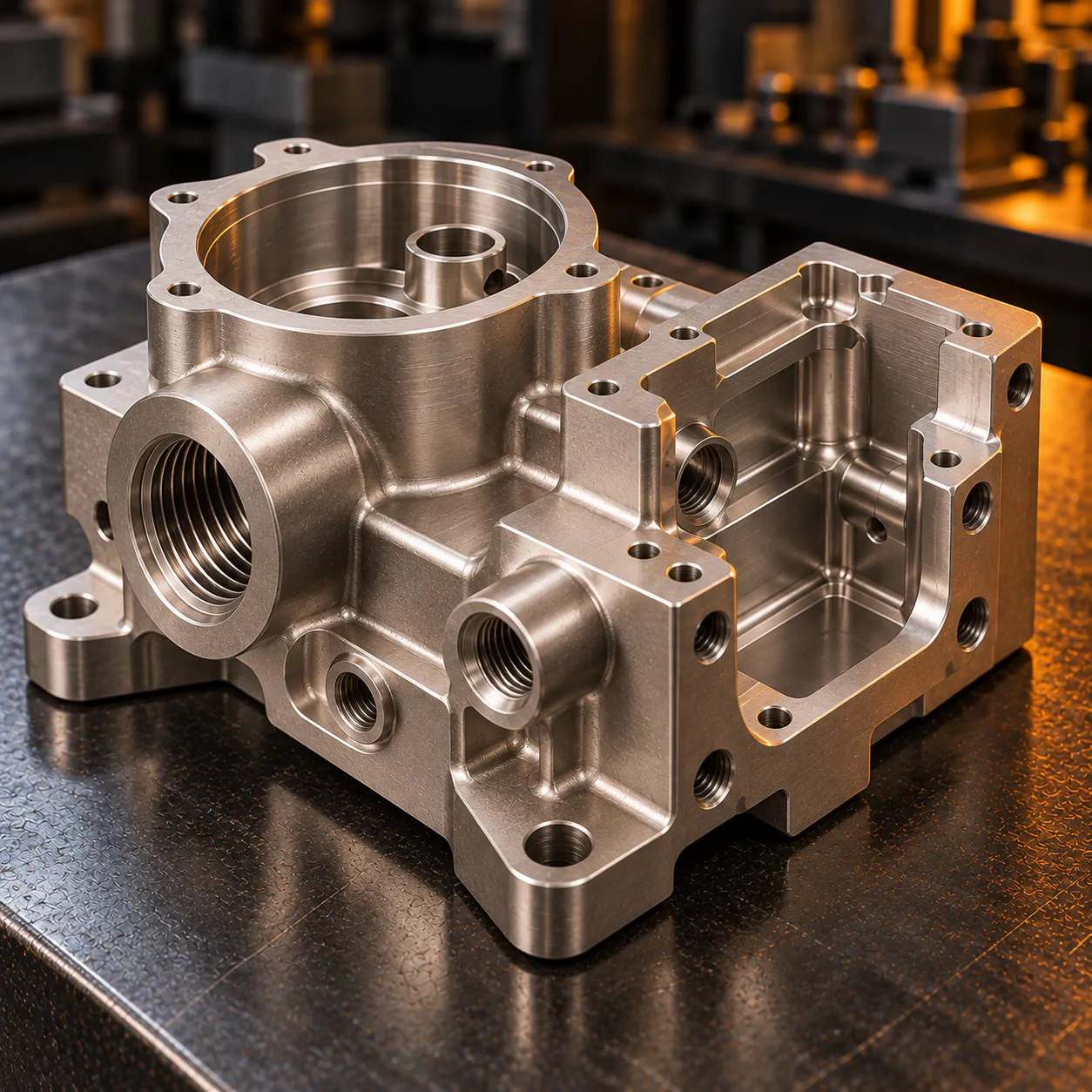
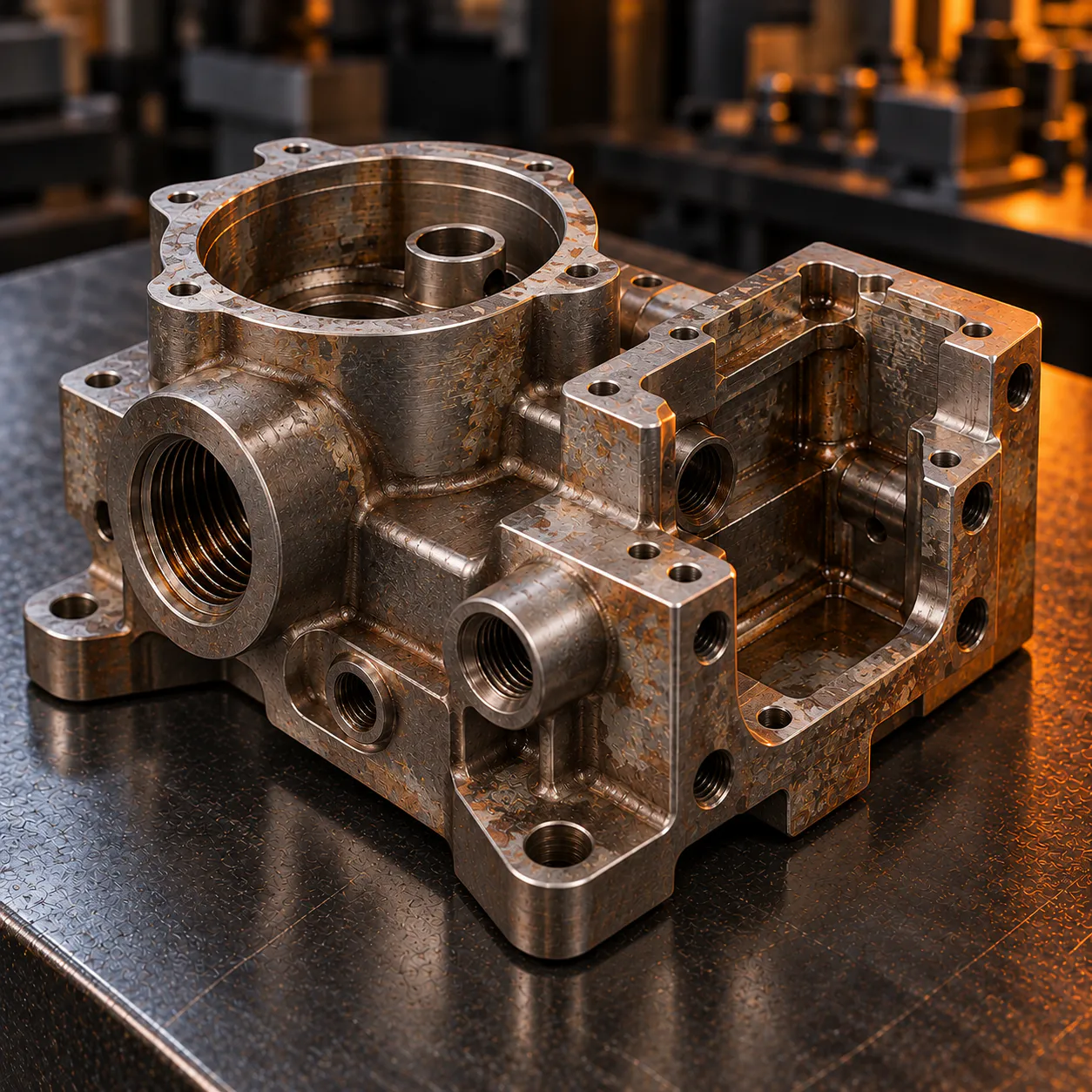 Before
Deep pockets and cross drilled passages that conventional plating could not reach evenly. Electroless nickel coated the inside and the outside at the same thickness.
Big order or a single knob, same care.
Homeowners send us one faucet. Companies in and out of state send production runs of hundreds or thousands of parts. Both get a written quote and the same inspection before anything ships back.
Functional plating only counts if the part works when it goes back into the assembly. That is the standard we inspect to on every order.
Bath chemistry, temperature and nickel content are monitored throughout the run so the deposit stays consistent from the first part to the last.
Steel, stainless and aluminum each follow their own cleaning and activation sequence, which is what keeps the coating bonded.
Coverage and coating thickness are checked against your requirement before parts are released for packing.
Finished parts are separated and packed so threads, sealing faces and machined surfaces arrive exactly as they left the tank.
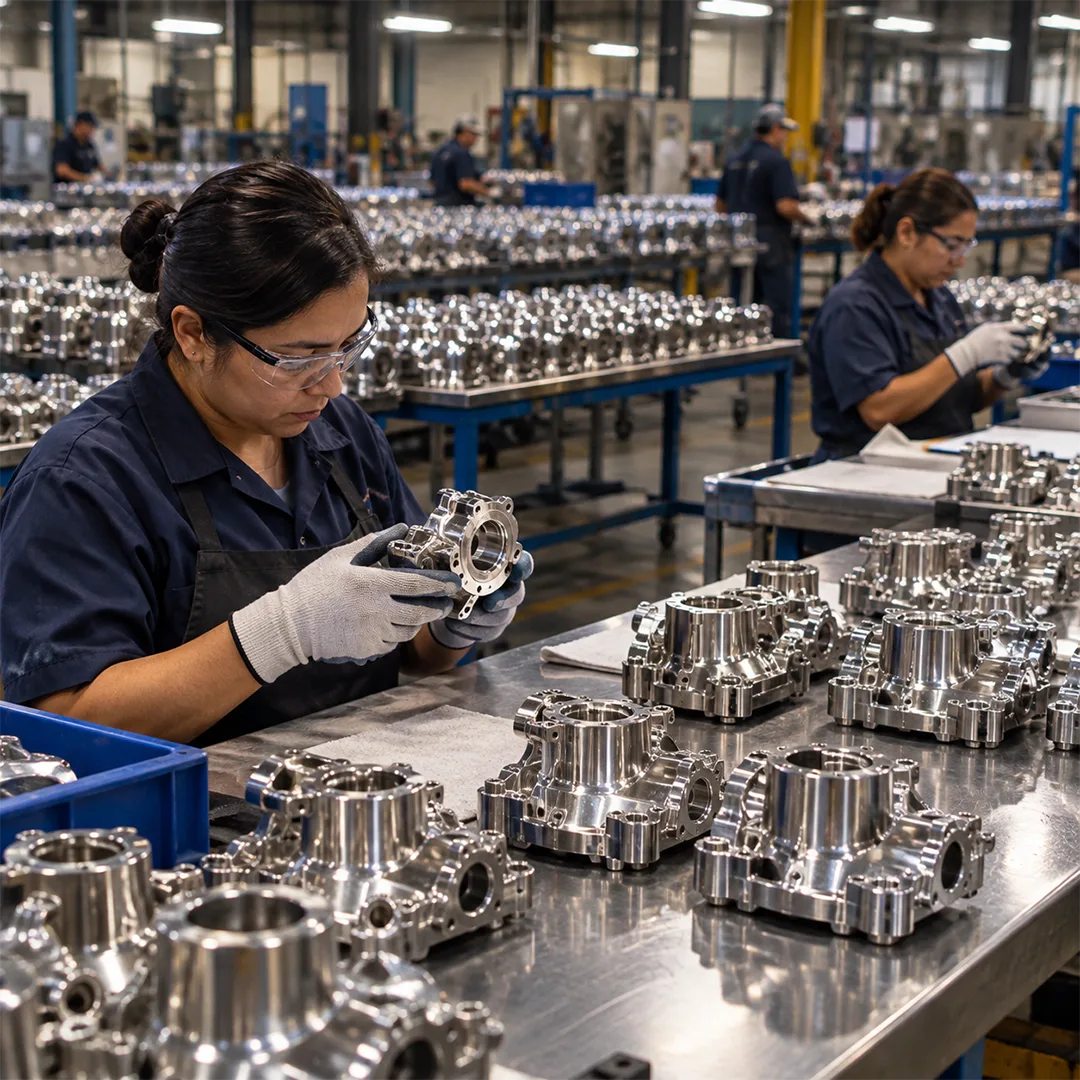
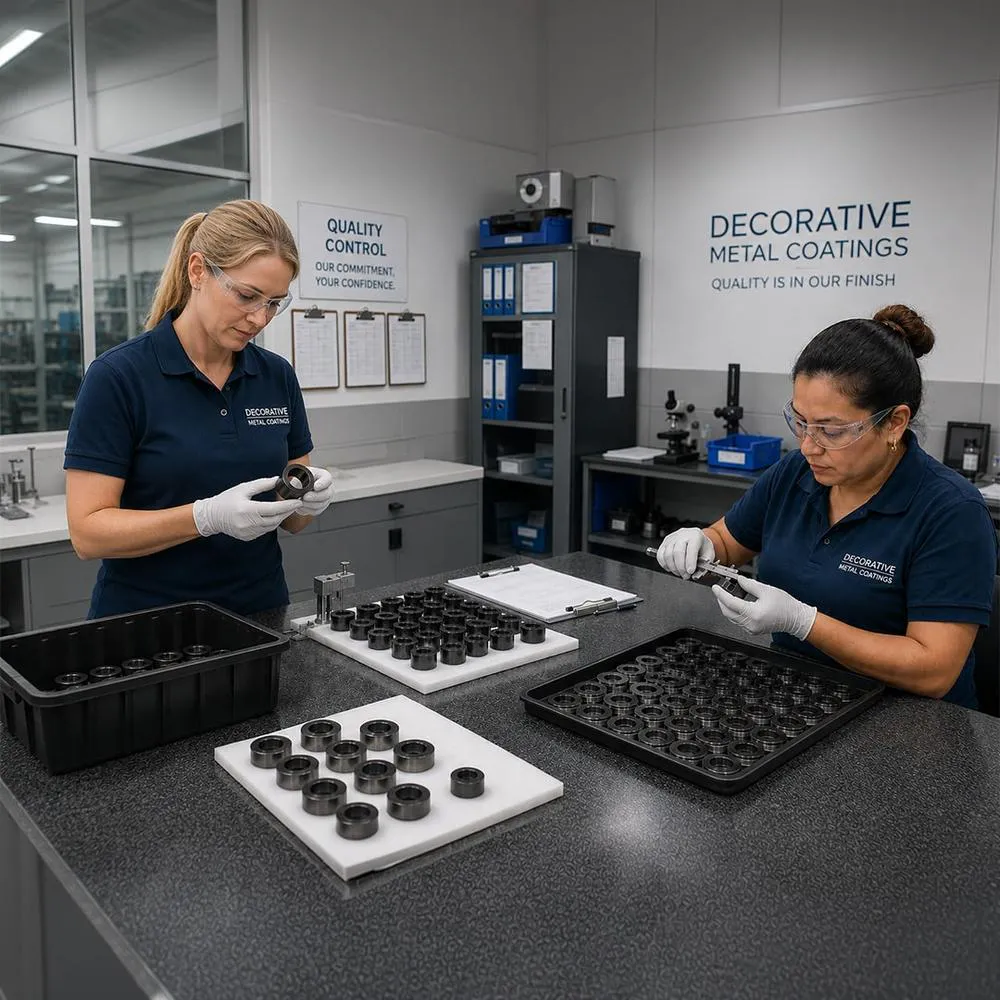
Since 1989 we have plated parts for machine shops, manufacturers, restorers and builders. Decorative work and functional coatings run under the same roof, with the same inspection standard.
Send a photo or drawing and receive a no obligation quote within 24 hours.
Every part leaves our shop backed by our craftsmanship guarantee. If you are not satisfied, we make it right.
Single prototypes or full production runs, shipped to us from any state and returned insured.
Most projects are completed within 3 to 5 weeks. Expedited Orders: 5 to 7 business days. Contact us for availability.
Keep fit and finish in mind during handling.
After inspection, keep plated parts separated during storage and handling so metal surfaces do not rub against one another. Protect threads, bores and precision faces from impact or abrasive contact.
For parts used in energy-related equipment, fluid handling and manufacturing, follow the equipment maker's cleaning and maintenance guidance. Avoid abrasive handling that could damage the functional surface, and contact the shop if a coating concern appears.
Thickness is the other key number. Electroless nickel builds evenly, so the coating adds the same amount to every surface, inside diameters included. On a precision fit, that growth has to be planned for. Let us know the finished dimension you need, and whether any threads, bores or sealing faces should be masked and left bare.
Finally, mention quantity and timing. A single prototype and a recurring production run are scheduled differently, and knowing what is coming next lets us hold the same settings from batch to batch.
Electroless Nickel Gallery
Uniform electroless nickel on machined, threaded and complex parts, from valve bodies and molds to marine fittings and hardware.
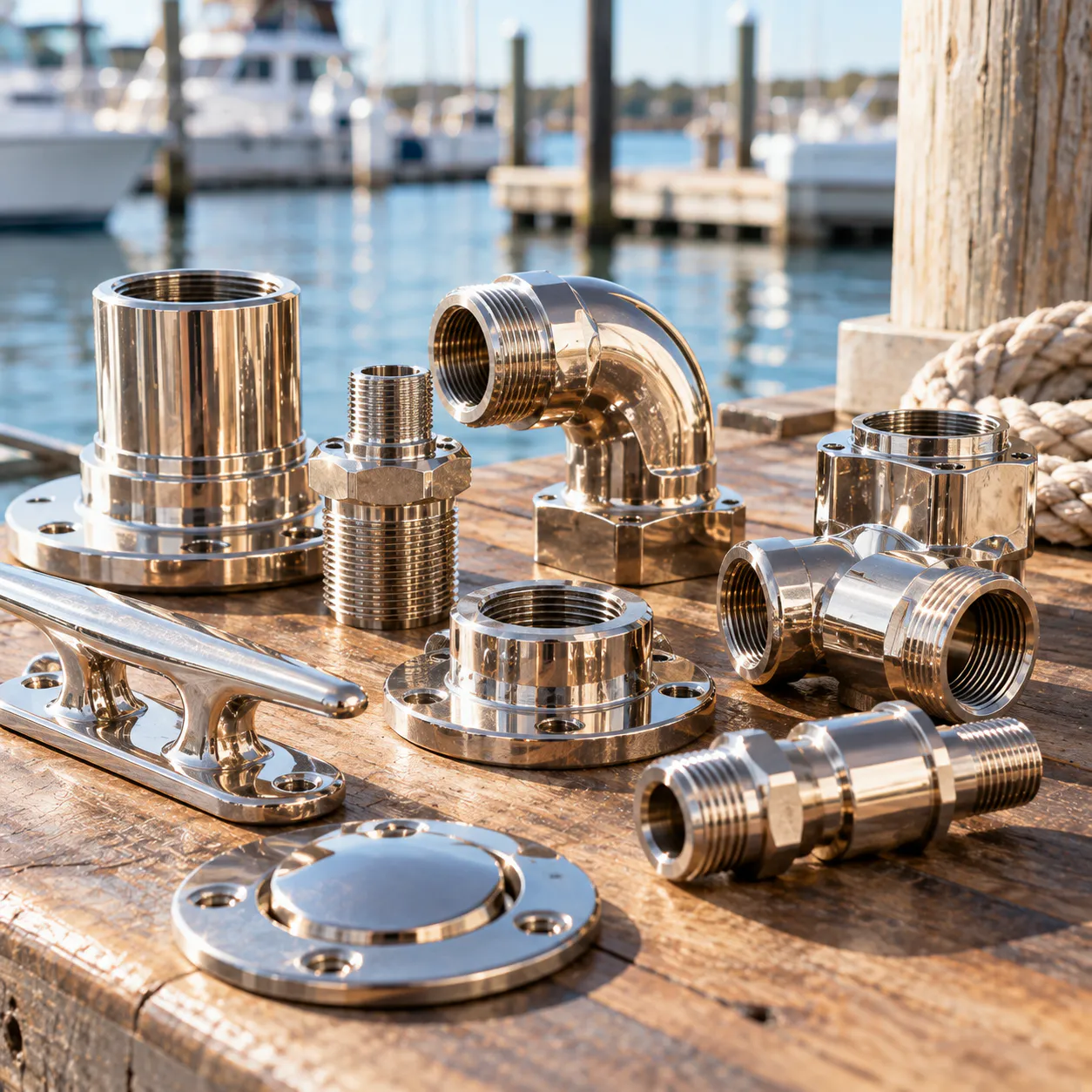
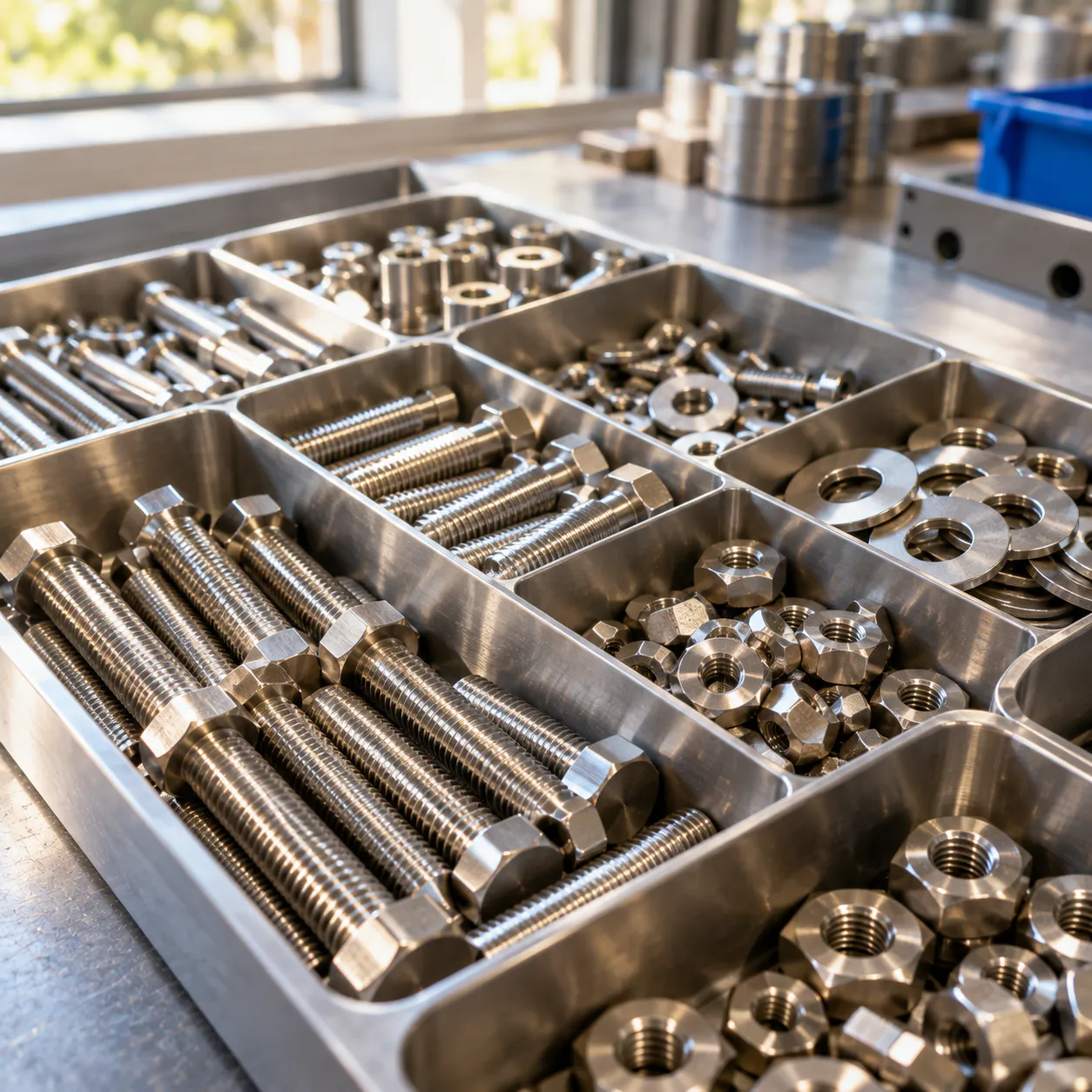
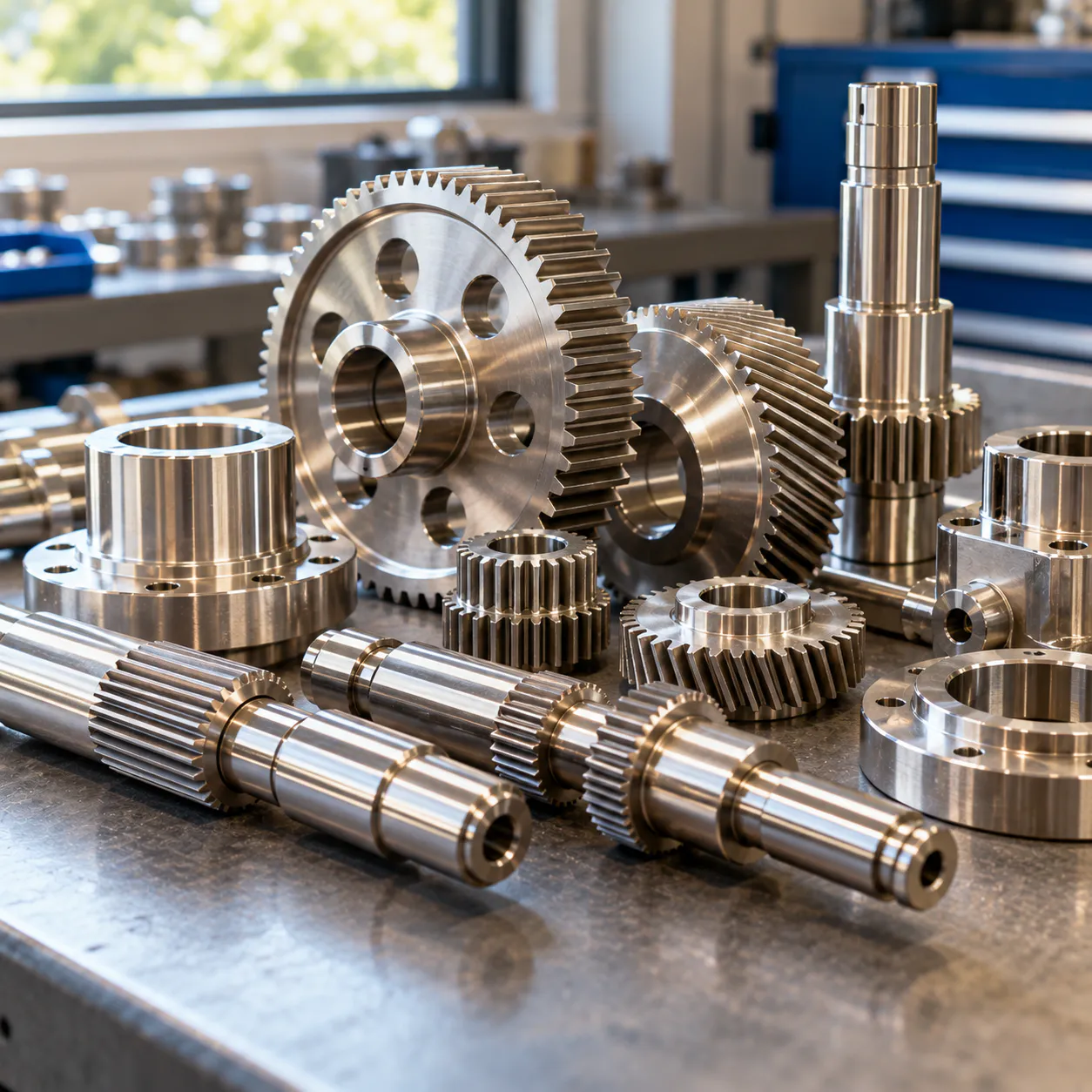
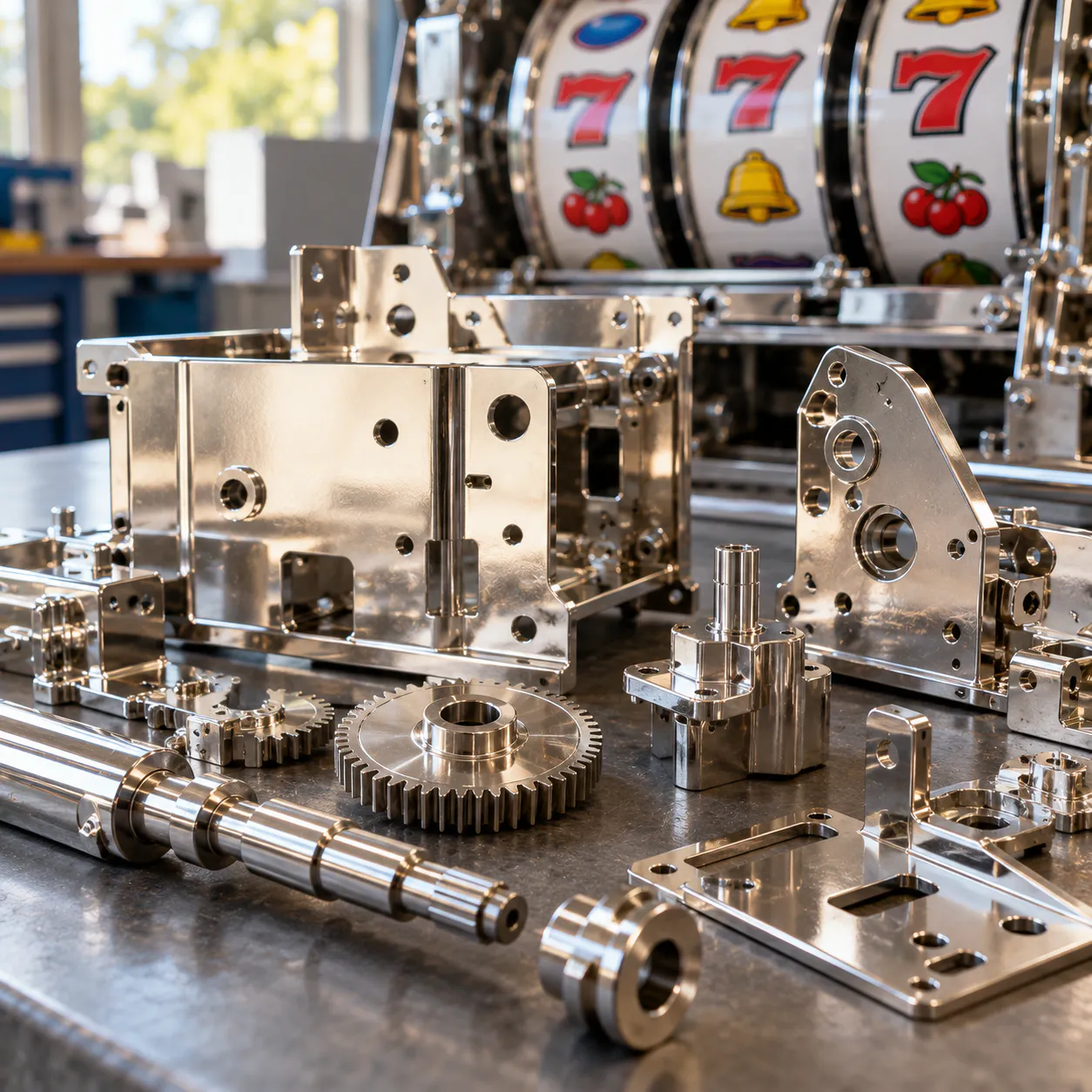
Decorative Metal Coatings processes electroless nickel orders at its Oceanside, California facility. Eligible projects can be shipped from Beaumont, CA, or any other U.S. state. Request a written quote and quote number before shipping.
Send photos or drawings, the material and the quantity. You receive a written quote and lead time, usually the same business day. Always wait for a quote number before shipping.
Bag or wrap each part separately, cap threads and ports when you can, and keep parts from rubbing against each other. Use plenty of padding on every side of the box.
Declare the real value with the carrier and email us the tracking number so we can log your parts the day they arrive.
Once plating and inspection are complete, we pack the parts in clean materials and ship them back insured, or hold them for pickup.
Every electroless nickel order is cleaned, plated and inspected in our own facility in North County San Diego.
Electroless nickel, chrome and metal finishing in San Diego County since 1989.
All plating and inspection are handled at the Decorative Metal Coatings shop in Oceanside, California. Local drop-off is available in the surrounding area, while eligible projects from elsewhere in the United States can be shipped to the facility and returned insured.
Explore other cities in the supplied CA service-area list:
Frequently Asked Questions
Before arranging a coating for Beaumont, review these practical points about chemistry, dimensions, preparation and scheduling.
It may be suitable when the part needs uniform nickel-phosphorus coverage, corrosion protection or controlled thickness. The material, geometry, operating environment and finished dimensions should be reviewed before selecting a chemistry.
Yes. Stainless steel's passive surface requires a nickel strike before the electroless bath. Tell us the stainless grade and intended use so the preparation can be reviewed.
PTFE particles incorporated into the nickel matrix create a dry-lubricating surface. It may be considered for molds, fasteners and sliding mechanisms where reduced friction or easier release is useful.
Common substrates include carbon and alloy steel, stainless steel, aluminum, copper, brass and bronze. Specialty alloys, castings and unusual materials are evaluated individually before a job is accepted.
Standard production is approximately 3 to 5 weeks. Rush work may be possible in 5 to 7 business days after review and subject to availability. Quotes are typically returned within 24 to 48 business hours.
Send us a few photos of the part from different angles, along with what it is and the finish you want. We look them over and send a written quote, usually within 24 business hours. It's free, and you're under no obligation to go ahead.
Standard orders take 3 to 5 weeks from the day your parts arrive. If you're on a deadline, ask about expedited service. When the schedule allows, we can finish in 5 to 7 business days.
Yes. Our workmanship is covered for 12 months. If something isn't right with the finish we put on, call us and we'll make it right.